Sustainability is everywhere in fashion today. However, many people still question whether it is genuine or simply a marketing strategy. When brands promote plant-based stretch fabric, it sounds innovative and responsible. Yet it is fair to ask whether it truly delivers environmental benefits or just follows industry trends.
Real sustainability goes deeper than labels or buzzwords. It depends on three essential elements. First, the origin of the raw materials. Second, the way the fibres are processed and manufactured. Third, the environmental impact after the garment is discarded. Only when all three stages are carefully managed can plant-based stretch fabric be considered genuinely sustainable.
Unlike petroleum-based textiles, plant-based stretch fabric is created from renewable sources. This can reduce reliance on fossil fuels. However, sustainability also depends on farming practices. Responsible crop management, water usage, and soil health all play a role. If crops are grown with heavy pesticides or excessive irrigation, environmental benefits decrease.
Production methods also matter. Energy consumption, dyeing processes, and chemical treatments can influence the overall footprint. A plant origin alone does not guarantee low impact. Therefore, evaluating the entire lifecycle is essential.
What makes plant-based stretch fabric environmentally responsible?
Plant-based stretch fabric reduces dependence on petroleum by using renewable plant fibres. This lowers carbon intensity compared to many synthetic blends.
However, responsibility improves only when farming and manufacturing follow ethical and low-impact standards.
Does end-of-life impact matter for plant-based stretch fabric?
Yes. Disposal is a major factor. Ideally, plant-based stretch fabric should break down more naturally or support recycling systems.
A well-designed lifecycle ensures long-term environmental value beyond production.
What Makes plant-based stretch fabric Different from Synthetic Stretch Materials?
Traditional stretch textiles rely heavily on polyester and elastane. These fibres are petroleum-derived and energy-intensive to produce. While they offer excellent elasticity, they come with environmental costs.
Plant-based stretch fabric differs at its source. Instead of relying solely on oil-based materials, it incorporates renewable fibres. This shift supports reduced fossil fuel extraction and can lower greenhouse gas emissions when managed responsibly.
Another difference involves microplastic pollution. Synthetic fabrics often release tiny plastic particles during washing. Plant-based stretch fabric may help reduce this problem, depending on fibre composition.
Still, performance remains essential. Consumers expect durability, stretch recovery, and comfort. Modern plant-based stretch fabric is engineered to meet these standards while aiming for a lower footprint.
Does plant-based stretch fabric reduce reliance on fossil fuels?
Yes. Because plant-based stretch fabric uses renewable plant sources, it reduces dependency on petroleum inputs.
This makes it a more forward-thinking alternative when sustainably produced.
Is plant-based stretch fabric biodegradable or recyclable?
Some types offer improved biodegradability compared to pure synthetics.
However, blending techniques and finishing processes determine recyclability and end-of-life outcomes.
How Does hemp-based performance fabric Improve Sustainability?
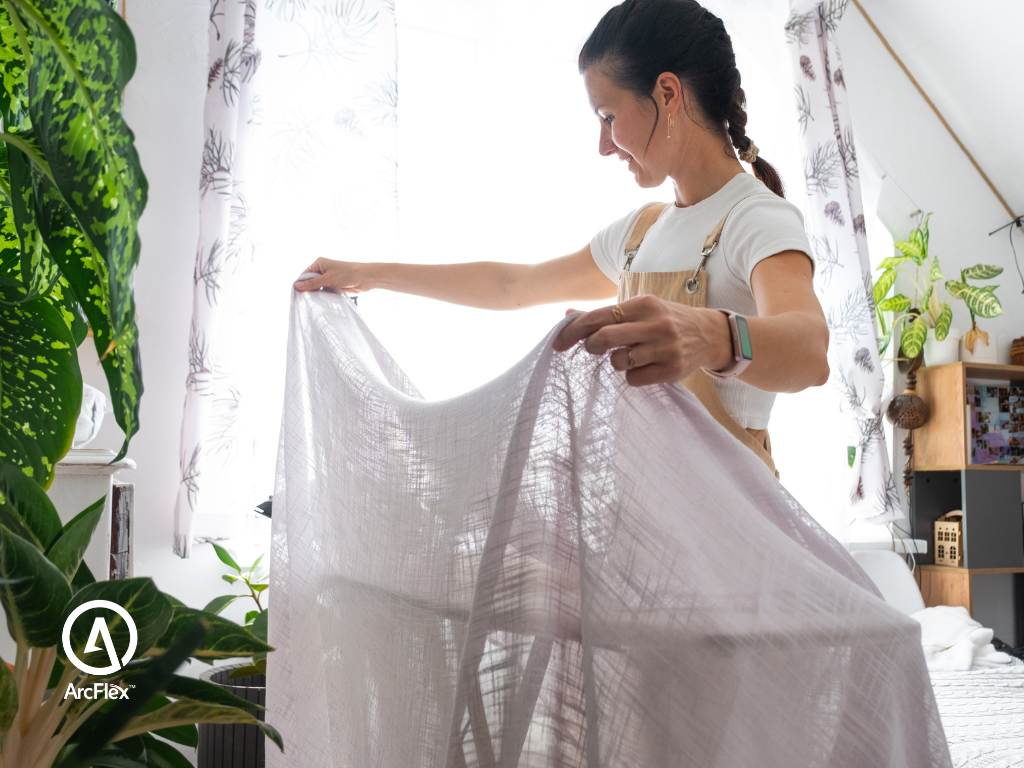
Among plant options, hemp-based performance fabric stands out for environmental strength. Hemp grows quickly and thrives without excessive water or chemicals. This makes it one of the most efficient fibre crops available.
Hemp also improves soil health. It can restore nutrients and reduce erosion. That makes hemp-based performance fabric attractive for regenerative agriculture systems.
Beyond farming, hemp fibres are naturally strong. This increases garment lifespan. When clothing lasts longer, waste decreases. Sustainability is not only about sourcing. It is also about durability.
Why is hemp-based performance fabric considered low-impact?
Hemp cultivation requires fewer pesticides and less water than many conventional crops.
This reduces environmental strain and supports long-term soil regeneration.
Can hemp-based performance fabric match synthetic durability?
Yes. Hemp fibres are naturally resistant to wear and tear.
Hemp-based performance fabric provides strength and longevity suitable for demanding uses.
Can sustainable stretch fabric Deliver Both Comfort and Environmental Benefits?
Many consumers worry that sustainable stretch fabric may sacrifice comfort. However, textile innovation has improved significantly in recent years.
Modern sustainable stretch fabric balances flexibility with breathability. It allows natural movement while reducing environmental pressure. Smart fibre blending enhances softness and stretch recovery.
Plant-derived fibres often improve airflow. This can increase comfort during extended wear. As a result, sustainable stretch fabric works well in both everyday clothing and performance garments.
Does sustainable stretch fabric maintain elasticity over time?
High-quality sustainable stretch fabric is engineered for strong recovery.
When blended correctly, it maintains shape and resists sagging after repeated use.
Is sustainable stretch fabric suitable for activewear and uniforms?
Yes. Many brands now rely on sustainable stretch fabric for flexible and durable garments.
It supports performance while lowering environmental impact.
Why Are sustainable textiles Australia Gaining Global Attention?
Global buyers are prioritising transparency and regulation. Sustainable textiles Australia are gaining attention because of strict environmental standards and ethical oversight.
Australia enforces clear production guidelines. This improves traceability across the supply chain. Sustainable textiles Australia benefit from responsible sourcing and compliance monitoring.
Local innovation also contributes. Companies are investing in advanced fibre development, including plant-based stretch fabric and hemp-based performance fabric. One example is ArcFlex, an Australian textile innovation company where businesses can source eco luxury fashion fabric, workwear performance fabric sustainable, mechanical stretch fabric, hemp-based performance fabric, and UV resistant stretch fabric for workwear. This level of specialised development highlights how sustainable textiles Australia are evolving to meet both environmental and performance demands.
As global brands look for reliable partners, the reputation of sustainable textiles Australia continues to grow.
Are sustainable textiles Australia produced under stricter environmental standards?
Yes. Sustainable textiles Australia operate under clear environmental and manufacturing regulations.
This supports higher transparency and accountability across sourcing and production.
How does local production reduce environmental impact?
Local manufacturing reduces transport emissions and shortens supply chains.
Sustainable textiles Australia benefit from closer oversight, improved efficiency, and stronger environmental compliance.
Is workwear performance fabric sustainable Ready for Industrial Use?
Industrial sectors now seek responsible materials. Workwear performance fabric sustainable solutions combine strength with environmental care.
Durability is critical. Workwear must withstand heavy use, frequent washing, and harsh conditions. Workwear performance fabric sustainable designs meet these requirements while aiming to reduce waste.
Long-lasting garments mean fewer replacements. That directly improves sustainability outcomes.
Can workwear performance fabric sustainable handle heavy use?
Yes. Modern workwear performance fabric sustainable options are engineered for strength.
They meet industrial durability standards without compromising responsibility.
Does durability improve sustainability in workwear?
Absolutely. Longer-lasting garments reduce material consumption.
Workwear performance fabric sustainable solutions lower long-term textile waste.
Are made in Australia sustainable fabrics the Future of Eco Fashion?

plant-based stretch fabric,hemp-based performance fabric, workwear performance fabric sustainable, sustainable textiles Australia, sustainable stretch fabric, made in Australia sustainable fabrics
Consumers increasingly demand transparency. Made in Australia sustainable fabrics benefit from strong oversight and trusted production standards.
Local manufacturing improves quality control. It also builds consumer confidence. Made in Australia sustainable fabrics align with ethical sourcing and accountability.
Plant-based stretch fabric plays a central role in this movement. As innovation grows, sustainable materials are becoming more competitive in cost and performance.
Why do consumers trust made in Australia sustainable fabrics?
They operate under strict regulatory frameworks.
This builds confidence in quality and environmental care.
Will plant-based stretch fabric shape the next generation of sustainable fashion?
Yes. Plant-based stretch fabric combines performance with reduced environmental impact.
It is positioned to support the future of responsible textile innovation.