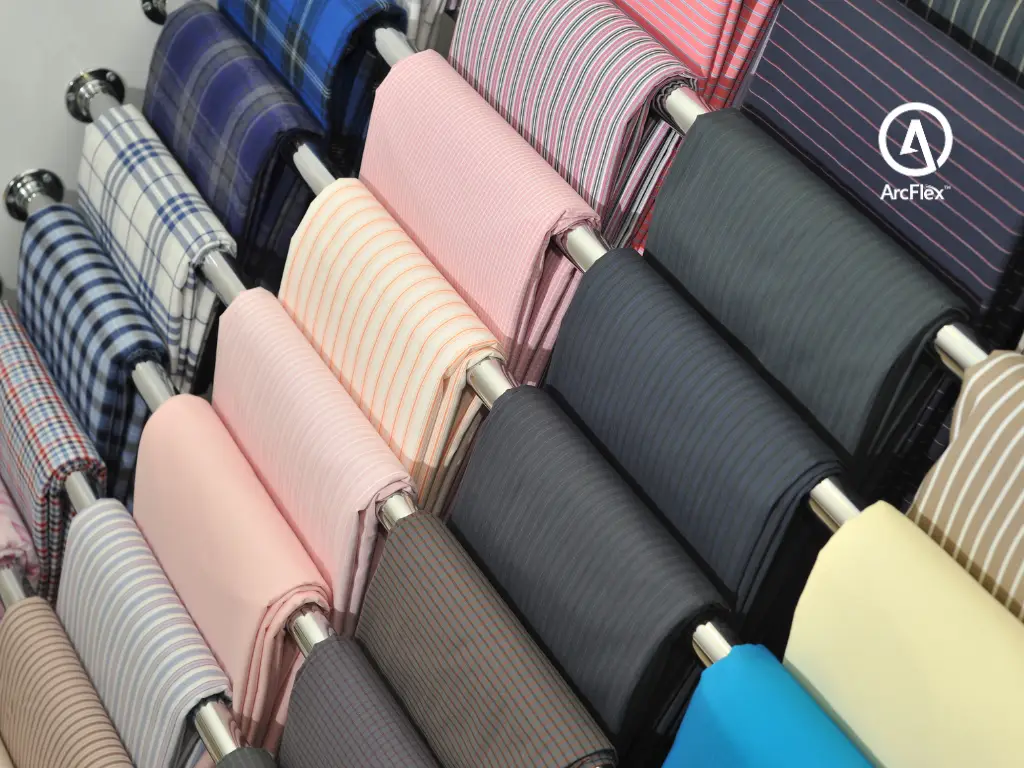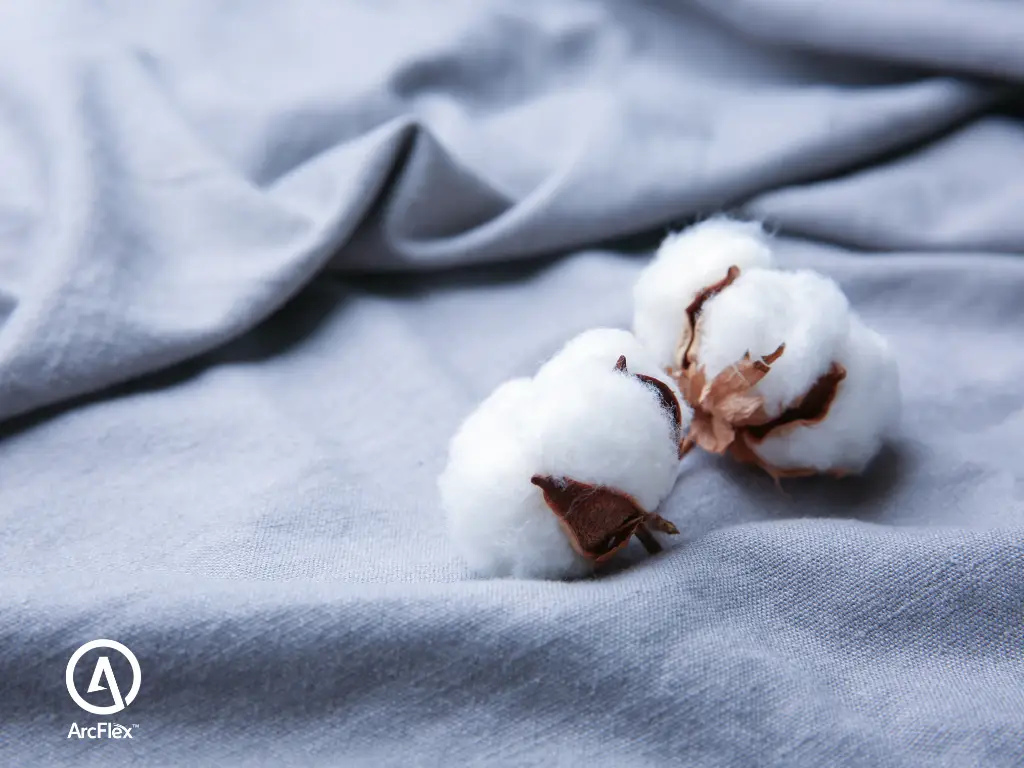
Sustainable performance fabrics are changing the way we think about clothing. These materials are designed to be tough, comfortable, and long-lasting, while also being kinder to the planet. They’re used in everything from activewear and uniforms to outdoor gear and fashion. More people are now asking how their clothes are made and what impact they have on the environment. That’s where sustainable performance fabrics come in.
Unlike traditional synthetic fabrics that rely on fossil fuels and harsh chemicals, these sustainable versions use recycled or natural fibres. They’re made to last longer, wash better, and perform just as well — if not better. This growing shift isn’t just about the environment. It’s also about creating smarter, more responsible products that suit everyday use.
The key features of sustainable performance fabrics
What makes a performance fabric “sustainable”?
Not every fabric labelled “green” is truly eco-friendly. To be considered one of the real sustainable performance fabrics, there are a few key things it should offer:
- Recycled or renewable fibres – Like organic cotton, bamboo, or polyester made from plastic bottles.
- Low-impact processing – Using less water, energy, and harmful chemicals.
- Built to last – Durable enough for tough use, reducing the need to replace clothing often.
- Recyclability – Some are designed to be broken down and reused at the end of their life.
These features help reduce waste, carbon emissions, and pollution. They also support the shift towards a more circular fashion economy. Sustainable fabrics are not just for yoga pants anymore. You’ll find them in all types of garments, from workwear to casual wear, and even high-performance outerwear.
The rise of antimicrobial fabric for apparel
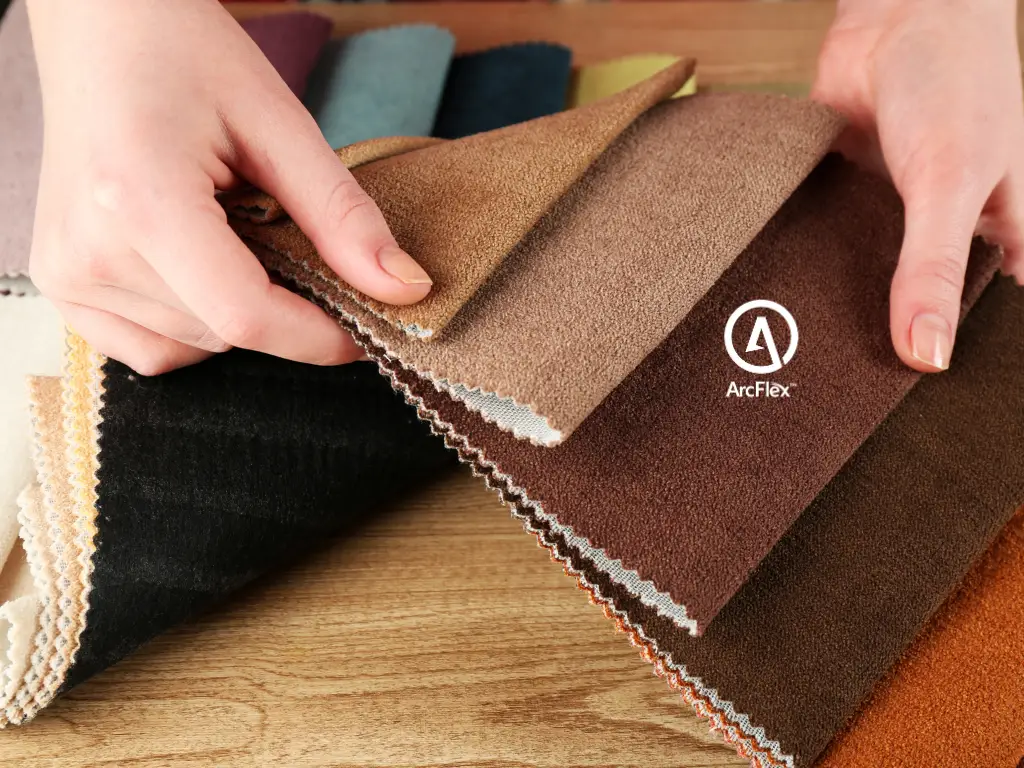
How hygiene and sustainability go hand in hand
We all want our clothes to stay fresh. Whether it’s gym wear, travel outfits or even school uniforms, antimicrobial fabric for apparel is becoming a popular choice. These fabrics stop the growth of bacteria, which helps reduce smells and keeps clothes cleaner between washes. This means:
- You don’t need to wash as often
- Your clothes last longer
- You save water and energy
What’s even better? Many antimicrobial treatments today are developed with safe, eco-friendly processes. When combined with recycled or organic fabrics, they become a perfect match for sustainable performance goals. It’s all about reducing the environmental load while still meeting daily comfort and hygiene needs.
Why mechanical stretch fabric matters in eco-design
Stretch without synthetic spandex? It’s possible.
Stretchy fabrics usually rely on elastane or spandex — synthetic materials that don’t break down and are tricky to recycle. But mechanical stretch fabric changes that. It’s designed to stretch naturally through how the fabric is woven or knitted, without needing added plastics.
This approach is great for brands that want garments to:
- Be fully recyclable
- Stay breathable and comfy
- Avoid harmful microplastics
Mechanical stretch fabric is now being used in everything from trousers to uniforms and sports gear. It’s a smart way to make clothes move with the body while staying sustainable.
The role of Australian textile innovation company efforts
How local manufacturers are leading the global shift
Australia has become a quiet leader in the sustainable textile space. Behind the scenes, many smart and forward-thinking companies are creating change, one fibre at a time. A good example is ArcFlex, an Australian textile innovation company that’s building a name for itself in performance fabrics. Instead of relying on overseas materials, ArcFlex focuses on developing fabrics that perform well in tough Aussie conditions — from high-UV regions to active, outdoor-heavy lifestyles.
Their work includes:
- Blending recycled fibres with innovative finishes
- Avoiding toxic treatments and coatings
- Keeping their supply chain local wherever possible
By doing so, they’re not only reducing emissions but also supporting local jobs and setting a higher standard for sustainability in fashion, sportswear, and industrial design. When people choose to work with a company like ArcFlex, they’re choosing homegrown innovation that’s practical, durable and genuinely better for the planet.
Common uses of sustainable performance fabrics today
Where these fabrics show up in real life
Sustainable performance fabrics aren’t just a trend for eco brands. They’re now being used in a wide range of industries and everyday items. Here’s where you might already be seeing them:
- Sportswear and gym clothing – With moisture-wicking and antimicrobial fabric for apparel
- School and work uniforms – Using long-lasting, mechanical stretch fabric
- Outdoor gear – Designed for durability and weather resistance
- Medical and aged care textiles – Clean, breathable and safe against the skin
- Corporate wear – Combining comfort with professional polish
Thanks to fabric innovators like ArcFlex, more of these options are available locally, which means fewer imports and a smaller carbon footprint. Whether you’re an individual buyer or a brand placing large orders, you have more eco-responsible choices now than ever before.
Wrapping up: Why these fabrics matter for the future
Better for the planet, better for people
The demand for sustainable performance fabrics isn’t slowing down. In fact, it’s growing stronger as more people realise that what we wear has a real impact. These fabrics offer long-term value — not just because they last longer, but because they help reduce waste, pollution and overconsumption. And when they’re made by companies like ArcFlex, the benefits also reach local communities and the wider economy.
So, next time you’re choosing apparel for work, sport or everyday wear, take a moment to check what it’s made of. A small change in fabric choice can lead to a much bigger change for the environment. Even a simple switch to a shirt made with mechanical stretch fabric or antimicrobial fabric for apparel can make a difference. And if you’re still seeing this: Retrieving data. Wait a few seconds and try to cut or copy again. — maybe it’s time we start treating sustainability with the same urgency as we do lost data!