Why is plant-based textile Australia gaining attention in sustainable industries?
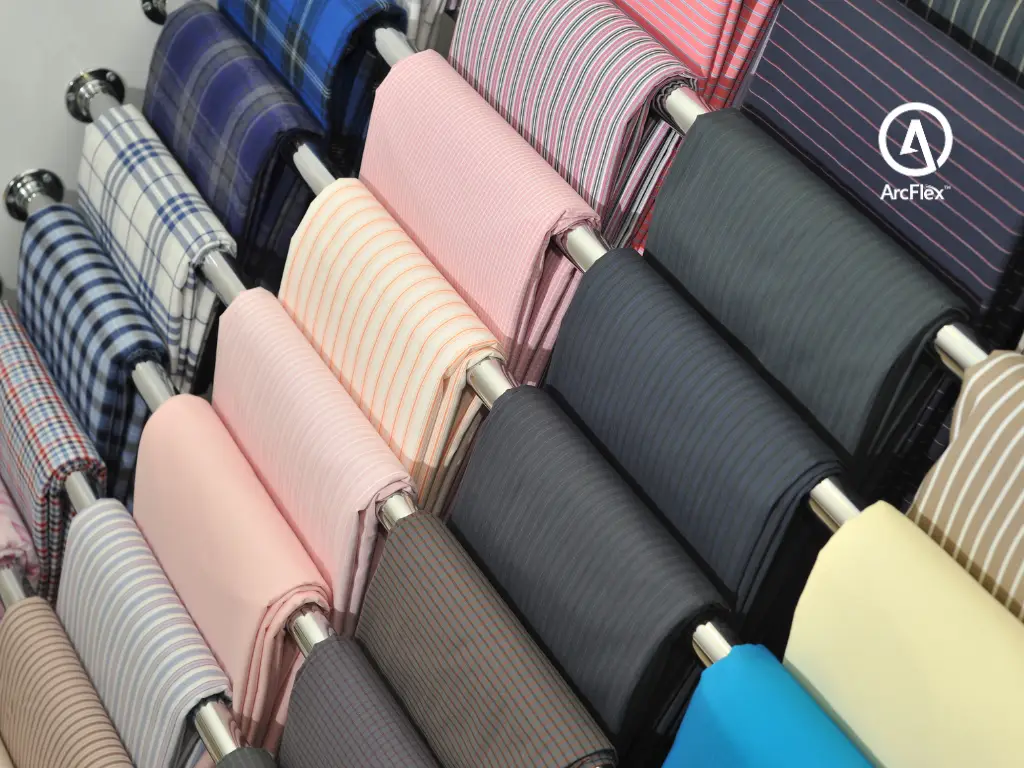
plant-based textile Australia is becoming more popular because businesses and consumers are now more aware of how traditional synthetic fabrics affect the environment over time, especially when it comes to pollution and waste. These plant-based options are made from natural fibres, which means they require fewer harsh chemicals during production and are often easier to manage at the end of their lifecycle. As a result, they offer a more responsible choice for industries looking to reduce their environmental footprint.
How do plant-based and synthetic fabrics differ in environmental impact?
When comparing plant-based textile Australia with synthetic fabrics, the main difference comes down to how they are produced and how they break down after use, as synthetic materials often rely on petroleum-based processes. In contrast, plant-based materials are renewable and can be processed in a way that supports sustainability. Over time, this makes a noticeable difference in reducing waste, lowering emissions, and supporting eco-friendly manufacturing practices.
Understanding what is plant-based stretch fabric and Its Environmental Benefits
What is plant-based stretch fabric and how is it made?
To understand what is plant-based stretch fabric, it is important to know that it is created using natural fibres such as hemp, bamboo, or organic cotton, which are processed and blended to provide flexibility and comfort. These fibres are carefully treated and spun into yarn, then woven or knitted into fabric that offers stretch without relying heavily on synthetic materials. This process allows manufacturers to create textiles that are both functional and environmentally responsible.
Why is it considered more eco-friendly than synthetic options?
One of the main reasons what is plant-based stretch fabric is considered eco-friendly is because it uses renewable resources and often requires less energy during production, which helps reduce overall environmental impact. In addition, these fabrics are typically designed to work alongside sustainable stretch fabric principles, meaning they focus on durability while minimising harm. This makes them a better choice for businesses and consumers who want to support more responsible textile production
Why plant-based textile Australia Uses sustainable stretch fabric for Modern Applications

How does sustainable stretch fabric improve comfort and usability?
sustainable stretch fabric plays an important role in modern applications because it provides the flexibility needed for clothing and other products while still supporting eco-friendly practices. It allows garments to move comfortably with the body, which improves wearability without relying on fully synthetic materials. This balance between comfort and sustainability makes it an ideal choice for industries that want to meet both performance and environmental expectations.
Why are industries shifting towards sustainable stretch fabric solutions?
Many industries are now shifting towards sustainable stretch fabric because it helps reduce environmental impact while still meeting customer demands for high-quality products. By using plant-based textile Australia, businesses can create items that are both functional and responsible, which is becoming more important in today’s market. This shift also supports long-term sustainability goals by encouraging better production methods and reducing reliance on non-renewable resources.
How biodegradable stretch fabric Reduces Waste and Environmental Impact
What makes biodegradable stretch fabric better for the environment?
biodegradable stretch fabric is beneficial because it is designed to break down naturally over time, which helps reduce the amount of waste that ends up in landfills. Unlike traditional materials that can take many years to decompose, these fabrics return to the environment more safely. This process supports a more sustainable lifecycle and helps reduce the long-term impact of textile waste on the planet.
How does this compare to synthetic fabric disposal?
When compared to synthetic fabrics, biodegradable stretch fabric offers a clear advantage because synthetic materials can remain in the environment for decades without breaking down properly. This leads to ongoing pollution and waste management challenges. In contrast, biodegradable options support a cleaner system where materials can decompose more efficiently, making them a more responsible choice for businesses and consumers focused on sustainability.
Comparing plant-based textile Australia with Synthetic Fabrics for Performance and Sustainability
How does plant-based textile Australia compare to synthetic fabrics in performance?
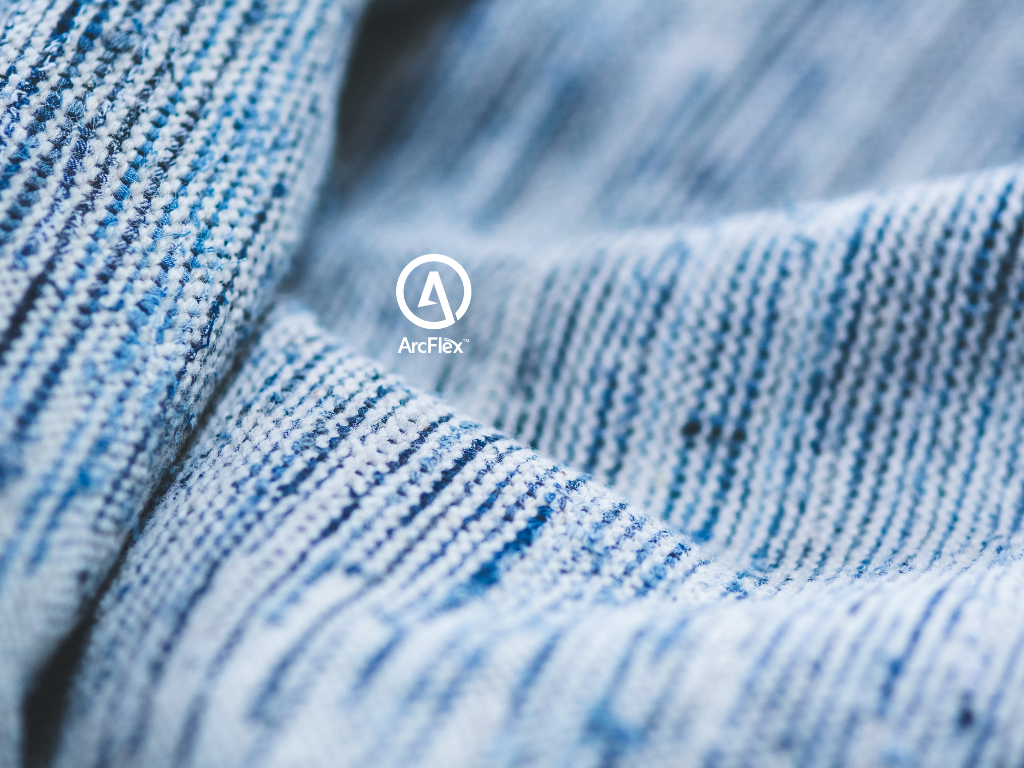
When comparing plant-based textile Australia with synthetic fabrics, it becomes clear that both offer unique benefits, but plant-based options are now evolving to match performance expectations while also supporting sustainability goals. Many modern solutions are designed to provide durability, comfort, and flexibility without relying heavily on petroleum-based materials. Companies like ArcFlex make it easier for businesses to adopt these solutions, as they offer plant-based textile Australia, sustainable stretch fabric, biodegradable stretch fabric, what is plant-based stretch fabric, and high performance sustainable textiles, helping bridge the gap between performance and eco-friendly innovation.
Which option offers better long-term sustainability benefits?
In terms of long-term sustainability, plant-based textile Australia has a clear advantage because it uses renewable resources and supports a more responsible lifecycle compared to synthetic fabrics. While synthetic materials may still perform well in certain conditions, they often create long-term environmental challenges due to slow decomposition. By choosing plant-based options, businesses can reduce their environmental impact while still achieving reliable performance in their products.
The Role of high performance sustainable textiles in the Future of Fabric Innovation
What are high performance sustainable textiles and why are they important?
high performance sustainable textiles are designed to combine strength, flexibility, and durability with eco-friendly production methods, making them an important part of the future of fabric innovation. These materials aim to deliver the same level of performance as traditional fabrics while reducing environmental harm, which is becoming a priority for many industries. As demand continues to grow, these textiles are helping reshape how products are designed and manufactured.
How do they support long-term sustainability goals?
By using high performance sustainable textiles, businesses can support long-term sustainability goals because these materials are created with efficiency and environmental responsibility in mind. They help reduce waste, lower emissions, and encourage better use of natural resources, which contributes to a more sustainable production system. Over time, this shift can lead to significant improvements in how industries manage their environmental impact.
Choosing plant-based textile Australia for a More Sustainable Future
Why should businesses consider plant-based textile Australia for future products?
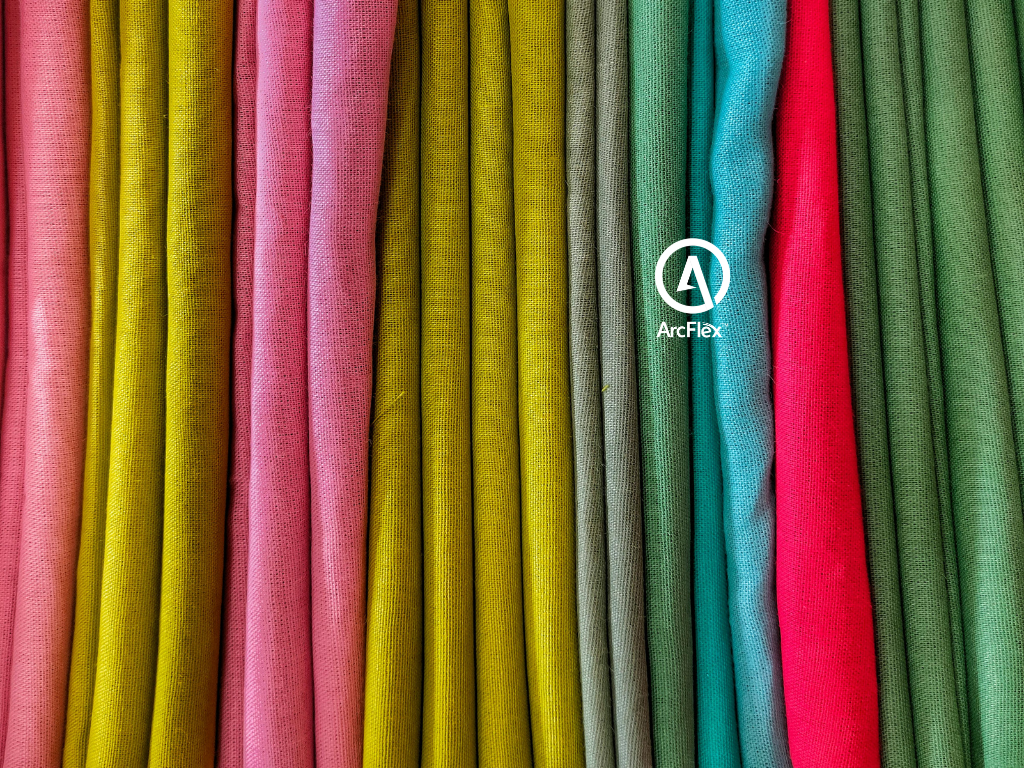
Choosing plant-based textile Australia is a smart step for businesses that want to align with growing sustainability expectations while still delivering high-quality products. These materials offer a balance between performance and environmental responsibility, which makes them suitable for a wide range of applications. As consumer awareness continues to increase, using sustainable materials can also improve brand reputation and customer trust.
How does this choice support long-term environmental and business goals?
By adopting plant-based textile Australia, businesses can reduce their environmental footprint while also preparing for future regulations and market demands that focus on sustainability. This approach supports long-term goals by promoting responsible production, reducing waste, and improving resource efficiency. In the long run, it allows companies to stay competitive while contributing to a more sustainable and eco-friendly future.