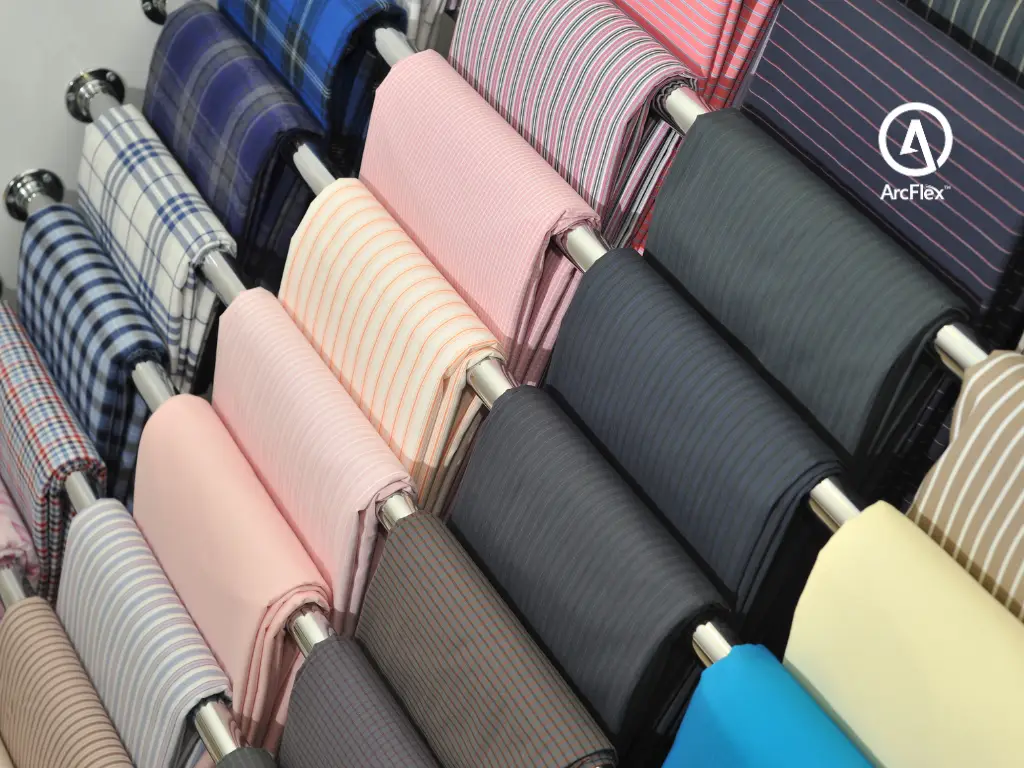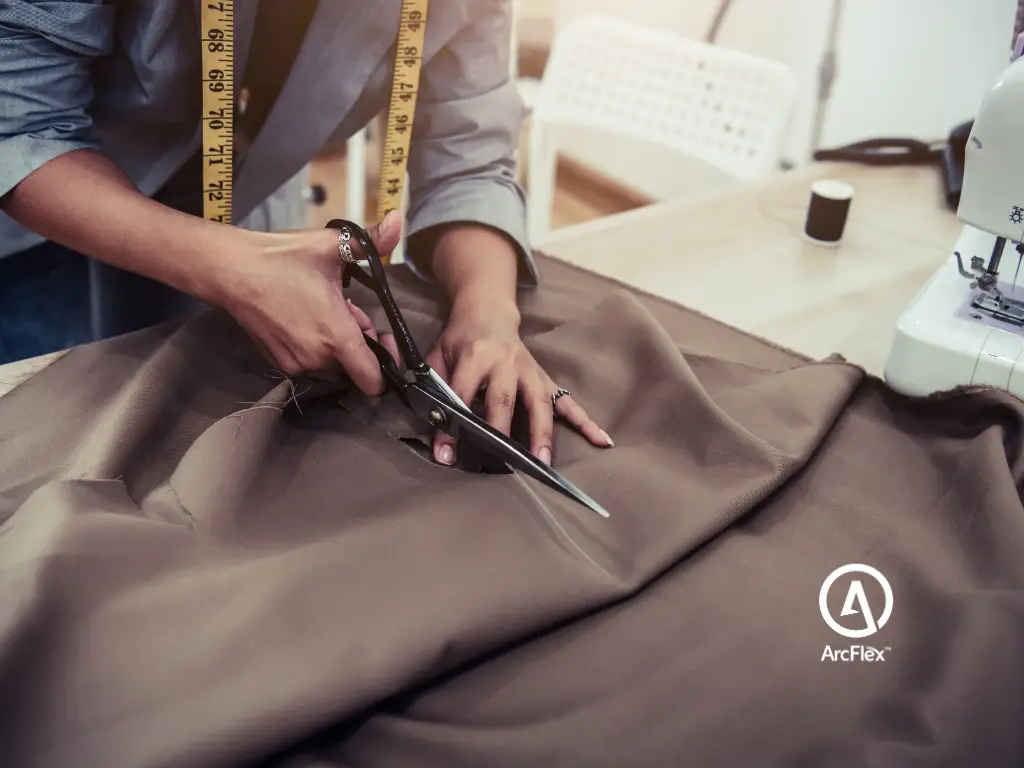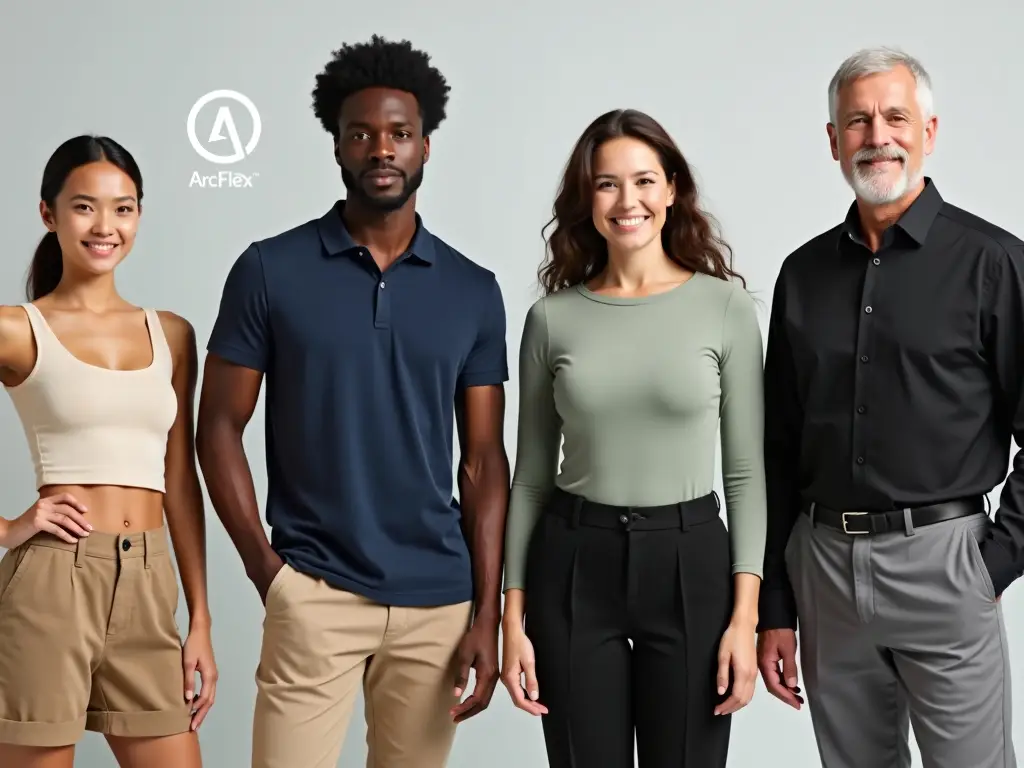
The clothes we wear every day are finally getting smarter. Not just in looks or tech, but in how they’re made and what they’re made from. One of the biggest shifts happening in fashion is the move toward natural fibre high performance fabric. This type of fabric blends comfort, strength, and breathability with low environmental impact. It offers the stretch, durability, and moisture control you’d expect from synthetic fibres, but without the plastic-based waste.
Unlike traditional polyester or nylon-based materials, natural fibre high performance fabric is biodegradable. That means when you’re done with it, it breaks down more easily—leaving a lighter footprint on the planet.
The rise of workwear performance fabric sustainable in Australia
Better for workers, better for the planet
From building sites to hospitality venues, uniforms and workwear get put through a lot. That’s why performance matters—but now, so does sustainability. More Australian businesses are choosing workwear performance fabric sustainable options to match their environmental goals.
These natural fibre fabrics are:
- Tough enough to handle long days
- Soft on the skin, reducing irritation
- Great at regulating temperature
- Long-lasting, even after many washes
Not only do they support the health and comfort of workers, they also show that your business is thinking ahead. Choosing sustainable uniforms isn’t just good PR—it’s the right step for future-proofing any operation.
How sustainable textiles Australia are pushing the industry forward
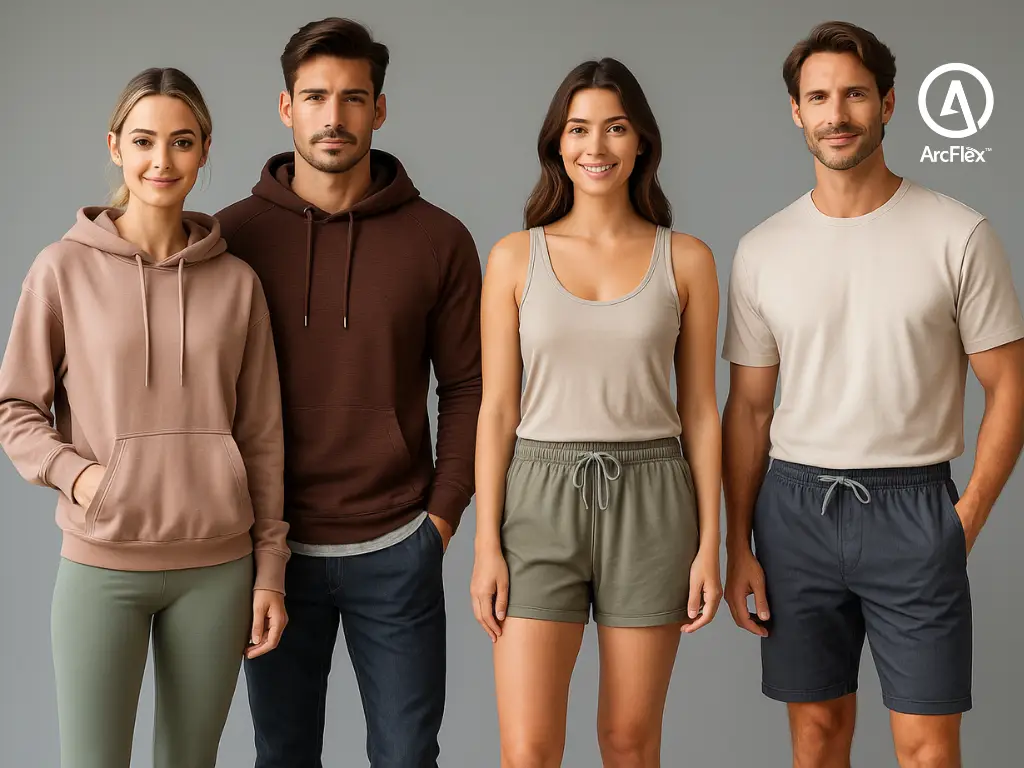
Australia is becoming a leader in sustainable design, and sustainable textiles Australia are playing a key role in that. Designers, brands, and suppliers are looking at the full life cycle of every fabric. Natural fibre high performance fabric ticks the box on many of these questions. It comes from renewable sources like hemp, organic cotton or eucalyptus. These materials often use less water and fewer chemicals, and when processed responsibly, they leave far less waste behind.
That means asking:
- Where was the fibre grown?
- How was it processed?
- Who made it, and under what conditions?
- Can it be recycled or composted?
Australian textile innovators are also using technology to track fibres from farm to finished garment. This traceability builds trust and helps both consumers and businesses make informed decisions.
Why sustainable stretch fabric matters for comfort and movement
Stretch without relying on heavy synthetics
Let’s face it—comfort matters. Whether it’s sportswear, daily loungewear, or uniforms, we all want clothes that move with us. That’s where sustainable stretch fabric comes in. Traditionally, stretch came from spandex or elastane, both petroleum-based materials. Today, we’re seeing the rise of natural alternatives that still offer flexibility without the plastic.
Natural fibres are now being engineered to stretch naturally or blended with more eco-friendly elastic fibres. These fabrics:
- Keep their shape without sagging
- Feel softer against the skin
- Are easier to recycle or biodegrade
This balance of comfort and sustainability is what makes them ideal for long wear, especially in high-performance or movement-heavy environments.
The new age of eco luxury fashion fabric
High end style with a low environmental impact
Luxury fashion has long been about fine materials and craftsmanship. But today, more brands are realising that eco luxury fashion fabric is the new definition of high-end. Consumers are asking questions—not just about how garments look or feel, but how they’re made. They want comfort, beauty, and performance, without harming the planet. That’s where natural fibre high performance fabric fits in beautifully. It combines softness, stretch, breathability, and durability with sustainability.
Whether it’s for a statement jacket, designer loungewear or a fashion-forward dress, these fabrics offer premium quality with purpose. Eco luxury isn’t a trend. It’s a shift toward more conscious design, and natural fibres are leading the way.
What to look for when choosing natural fibre high performance fabric
If you’re a brand, a designer, or just someone who wants to make better clothing choices, knowing what to look for is key. Here are some quick tips when choosing natural fibre high performance fabric:
- Check certifications
Look for organic or sustainability certifications (like GOTS or OEKO-TEX). - Understand the fibre source
Know whether the fabric comes from hemp, bamboo, organic cotton, or other sustainable crops. - Feel the fabric
It should be soft, breathable, and flexible—especially if you’re looking for sustainable stretch fabric. - Look into the manufacturing process
Fabrics that are dyed or finished using low-impact methods are better for people and the planet. - Think about end-of-life
Can it biodegrade or be recycled? Is it blended in a way that limits waste?
By making mindful choices, you’re helping support a more sustainable textile industry and reducing unnecessary environmental harm.
How sustainable fashion benefits everyone
A cleaner, smarter future for clothing
Switching to sustainable fabrics isn’t just good for the earth—it’s better for everyone involved. From farmers and textile workers to designers and wearers, the benefits are shared across the board.
- Consumers: Clothes made with natural fibre high performance fabric are breathable, long-lasting, and often hypoallergenic.
- Brands: Offering workwear performance fabric sustainable options or designing with eco luxury fashion fabric can boost reputation and consumer trust.
- Planet: Choosing sustainable textiles Australia and reducing reliance on synthetics helps cut down microplastic pollution, water waste, and toxic runoff.
And because more Australians are now prioritising ethical, planet-friendly choices, the industry is shifting. From everyday activewear to specialised uniforms and runway designs, sustainable fashion is no longer niche—it’s the future. So whether you’re shopping for new sportswear, designing uniforms, or launching a fashion brand, remember: choosing natural fibre fabrics supports a more circular, mindful, and wearable world.