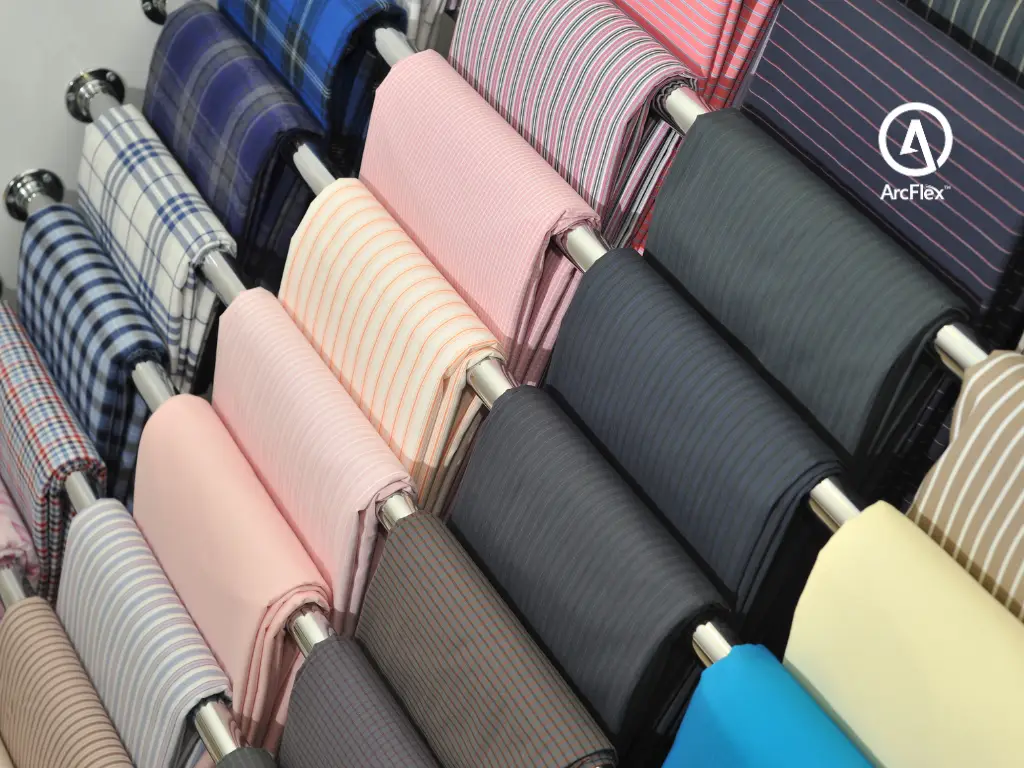
Interest in plant-based textile Australia is growing as people become more aware of how their choices affect the environment and future generations. Consumers are looking for materials that feel natural, are responsibly sourced, and align with values around sustainability. At the same time, brands are responding by exploring better alternatives to traditional fabrics, which is helping plant-based textiles move from niche use into mainstream conversations.
Why are consumers more aware of textile choices today?
Consumers are more aware of textile choices today because information is easier to access and conversations around sustainability are more visible. People are learning how fabrics are made, where materials come from, and how production methods impact the environment. This awareness encourages individuals to think more carefully about the clothing they buy and the materials used.
How is demand influencing material innovation?
Growing demand is encouraging brands and manufacturers to invest in better materials that meet both environmental and practical needs. As interest increases, more resources are directed toward developing plant-based options that are comfortable, durable, and suitable for everyday use, helping innovation move forward at a steady pace.
How Are sustainable textiles Australia Shaping the Future of Fashion?
sustainable textiles Australia are shaping the future of fashion by changing how garments are designed, produced, and chosen by consumers. Sustainability is no longer seen as a short-term trend but as a long-term expectation. Brands are now considering environmental impact from the very beginning of the design process, which is leading to more thoughtful and responsible fashion choices.
Why are brands moving toward sustainable textiles?
Brands are moving toward sustainable textiles because consumer expectations have changed. People want clothing that aligns with their values, and sustainability plays a large role in purchasing decisions. By choosing sustainable materials, brands can reduce their environmental footprint while also strengthening trust and credibility with their audience.
How does sustainability affect long-term material choices?
Sustainability affects long-term material choices by encouraging brands to select fabrics that last longer and perform well over time. Durable materials reduce waste and support repeated use, which benefits both consumers and the environment. This long-term thinking helps brands create collections that remain relevant beyond short fashion cycles.
What Role Does an Australian textile innovation company Play in Industry Change?
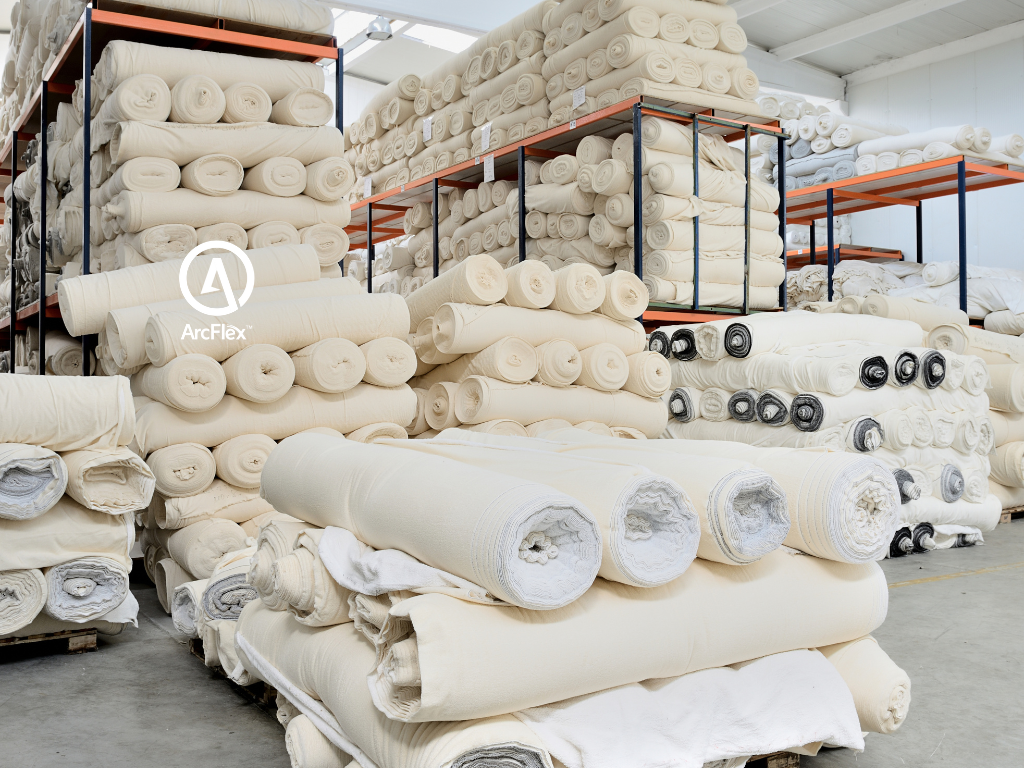
An Australian textile innovation company plays an important role in driving industry change by exploring new ideas, materials, and processes. Through research, testing, and collaboration, these companies work to improve plant-based textiles while maintaining quality and consistency. Their efforts help connect sustainability goals with practical textile solutions that work in real-life applications.
How does local innovation influence textile development?
Local innovation influences textile development by allowing faster testing and feedback cycles. When research and production are closer together, ideas can be refined more quickly, and improvements can be made without long delays. This supports steady progress and more reliable results.
Why is Australian-led innovation important for the future?
Australian-led innovation is important because it reflects local values, conditions, and standards. It supports solutions that are relevant to the Australian market while contributing to global sustainability efforts. This local focus helps build long-term resilience within the textile industry.
How Is plant-based stretch fabric Changing Material Performance?
plant-based stretch fabric is changing how people think about natural materials by offering greater flexibility and comfort. In the past, plant-based fabrics were often viewed as stiff or restrictive, but new developments are addressing these limitations. Stretch improves wearability, making plant-based textiles more suitable for everyday clothing and more active lifestyles.
Can plant-based fabrics stretch and recover well?
Modern development allows plant-based fabrics to stretch while still maintaining their shape. Through careful design and material blending, these fabrics can move with the body and return to their original form, which improves comfort and usability.
How does stretch improve everyday comfort?
Stretch improves everyday comfort by allowing garments to adapt to natural body movement. This flexibility reduces tightness and restriction, making clothing more comfortable for long periods of wear during daily activities.
Why Is eco friendly performance textile Becoming a Key Focus?
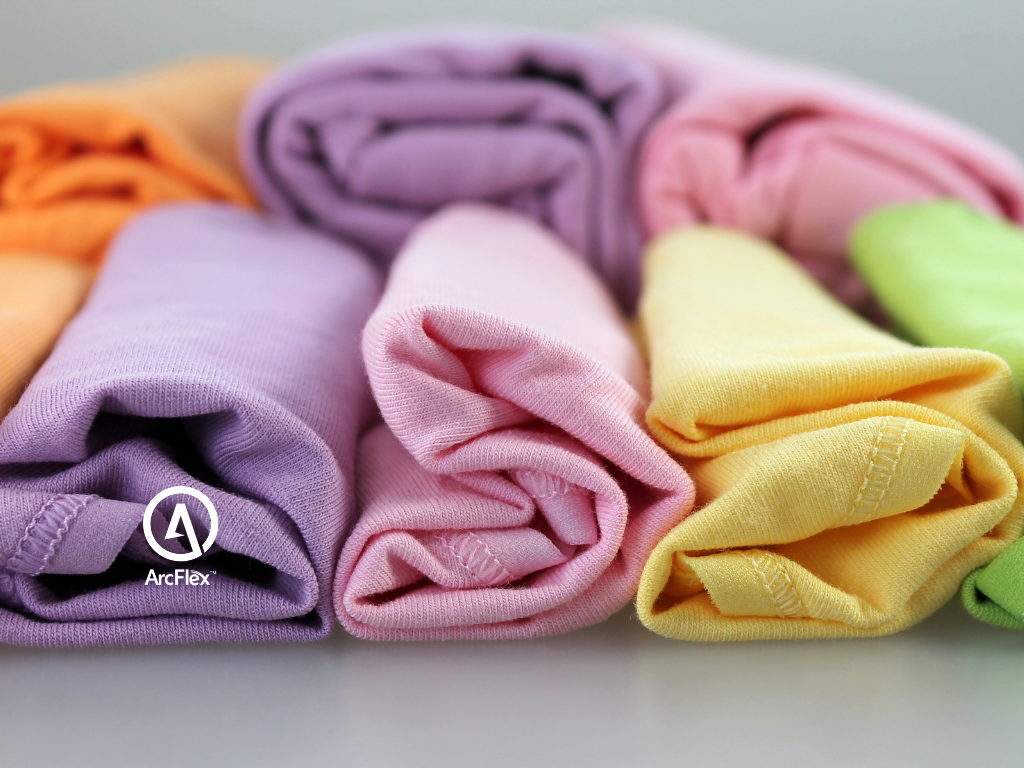
eco friendly performance textile is becoming a key focus as consumers no longer want to compromise between sustainability and functionality. People expect fabrics to perform well in daily life while still aligning with environmental values. As lifestyles become more flexible and active, textiles must support comfort, durability, and movement without relying on harmful materials.
Why do users expect performance and sustainability together?
Users expect performance and sustainability together because they want clothing that feels good, lasts longer, and supports responsible choices. Comfort, strength, and environmental care are no longer separate expectations but part of the same decision.
How is performance evolving in plant-based textiles?
Performance in plant-based textiles is evolving through improved material design and testing. New approaches are enhancing strength, flexibility, and comfort, making sustainable fabrics suitable for a wider range of uses.
How Will sustainable textiles Australia Influence Manufacturing Practices?
Sustainable textiles Australia are influencing manufacturing practices by encouraging more efficient and thoughtful production methods. Manufacturers are paying closer attention to sourcing, waste reduction, and quality control as demand grows. This shift supports better planning, fewer resources wasted, and more consistent outcomes across production.
Will manufacturing processes become more efficient?
Manufacturing processes often become more efficient as sustainability goals are adopted. Streamlined workflows and smarter resource use help reduce waste while maintaining product quality.
How does sustainability affect supply chains?
Sustainability affects supply chains by encouraging clearer sourcing and stronger relationships between suppliers. Transparency and accountability become more important, supporting smoother and more reliable production.
What Can We Expect Next for plant-based textile Australia?
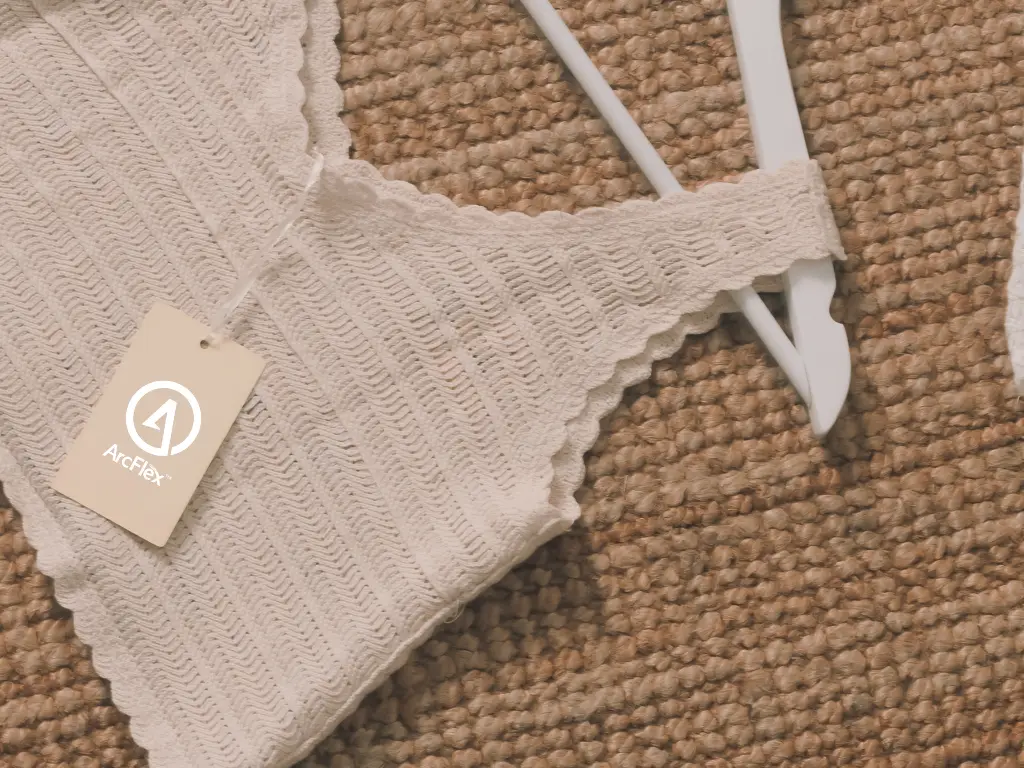
The future of plant-based textile Australia looks promising as innovation, awareness, and demand continue to grow together. Progress may take time, but steady development is making plant-based textiles more practical and accessible. Over time, these materials are expected to become a normal part of everyday products.
Will plant-based textiles become more common?
As technology improves and awareness increases, plant-based textiles are likely to appear in more clothing and textile products across different industries.
What will drive future growth in this space?
Future growth will be driven by continued innovation, rising consumer awareness, and responsible manufacturing practices that support long-term sustainability.