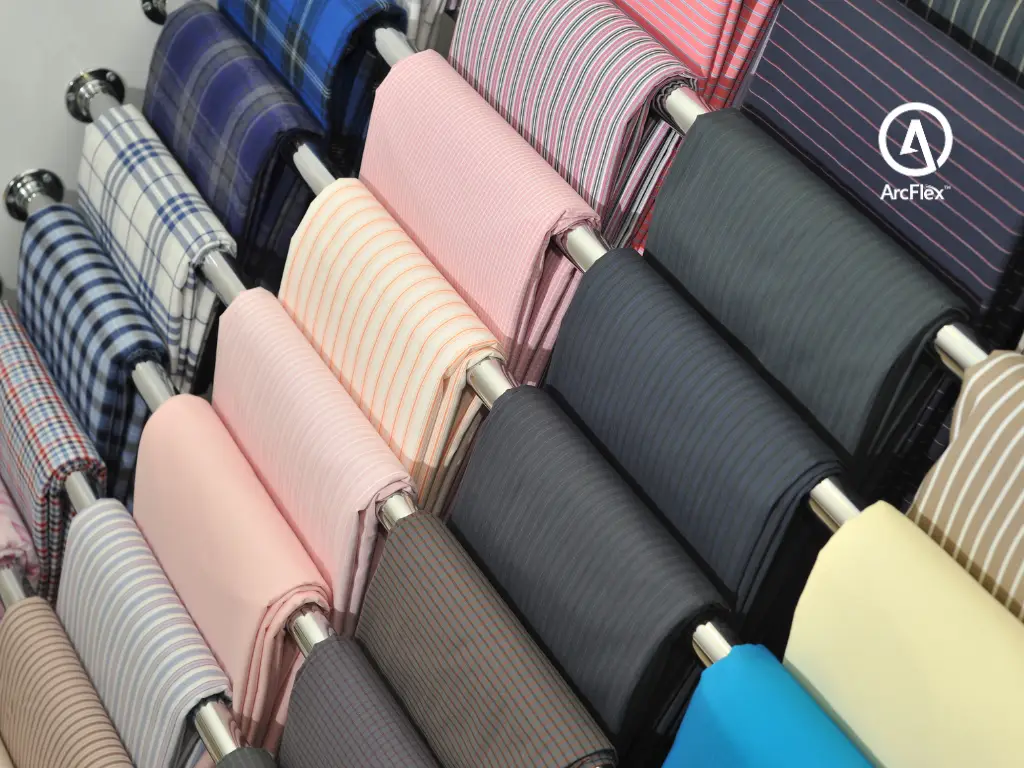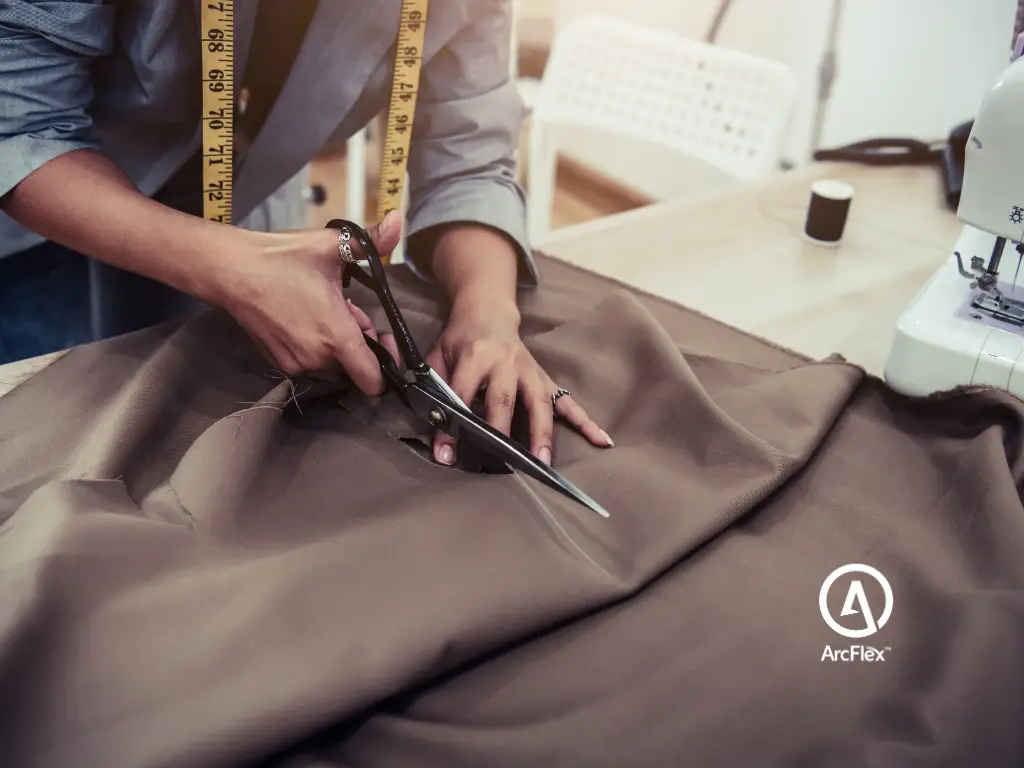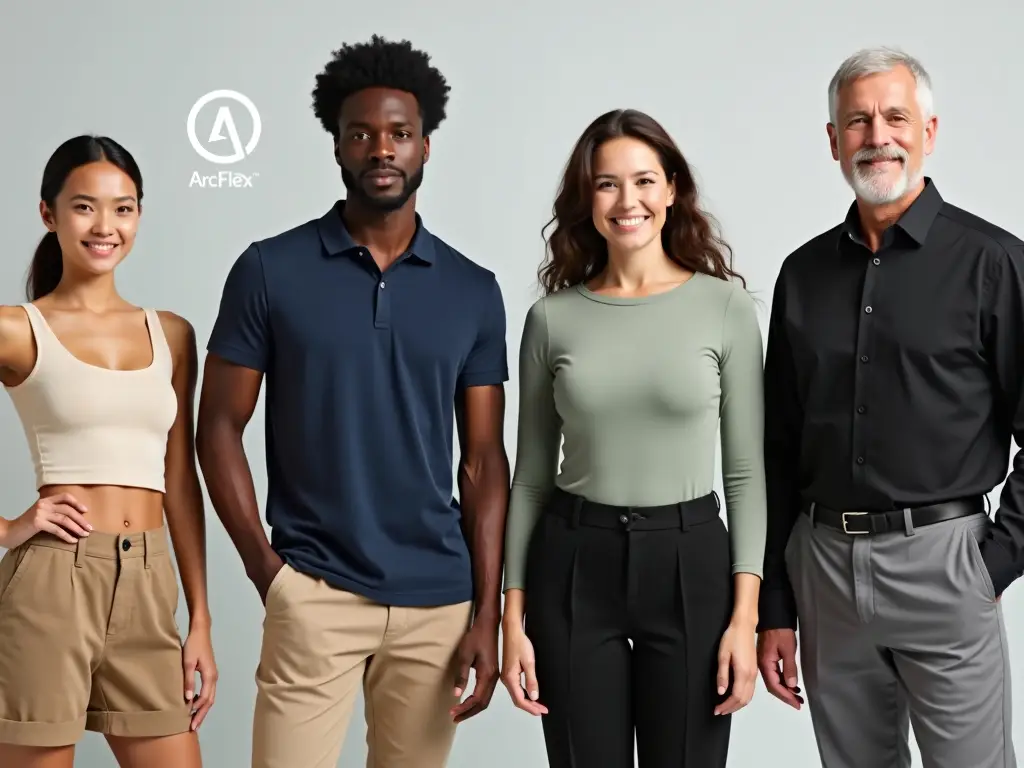
An eco friendly performance textile is no longer a niche option. It has become a real expectation for many customers, especially those who care about how their clothes are made and how they perform. People want garments that feel good, last longer, and have a lower impact on the environment.
For brands, this creates both an opportunity and a responsibility. It’s not enough to say a fabric is sustainable. Customers want to understand what makes it better and why it still performs well. That includes comfort, stretch, durability, and breathability.
Marketing an eco friendly performance textile responsibly means focusing on facts, not hype. When brands explain the material clearly and honestly, they build trust. Over time, that trust turns into loyalty. This is especially important in categories like activewear, where performance and sustainability must work together. If a fabric fails during wear, the eco message quickly loses its value. That’s why performance should always be part of the story.
Telling the Story Behind Biodegradable Stretch Fabric
It’s Not Just the Product, It’s the Process Too
When brands talk about biodegradable stretch fabric, the story should go beyond the final garment. Customers are often curious about how the fabric breaks down, what conditions are needed, and how long the process takes.
Sharing this information doesn’t need to be complex. Simple explanations work best. For example, you can explain that the fabric is designed to return to natural elements under specific conditions, rather than lasting forever in landfill. It also helps to explain where the stretch comes from and how it differs from traditional synthetic blends. Being open about the materials used shows confidence and avoids confusion.
Educating Customers Without Overpromising
One of the biggest challenges in sustainable marketing is saying too much. Claims like “fully biodegradable” or “zero impact” can be misleading if they’re not backed by clear context. A better approach is to educate gently. Let customers know what the fabric does well and where its limits are. This honesty makes your message stronger, not weaker.
Here are a few helpful ways to keep it clear:
- Explain conditions needed for biodegradation
- Avoid absolute claims unless they are verified
- Use simple language instead of technical jargon
This approach helps customers feel informed, not sold to.
The Right Way to Promote high performance sustainable textiles
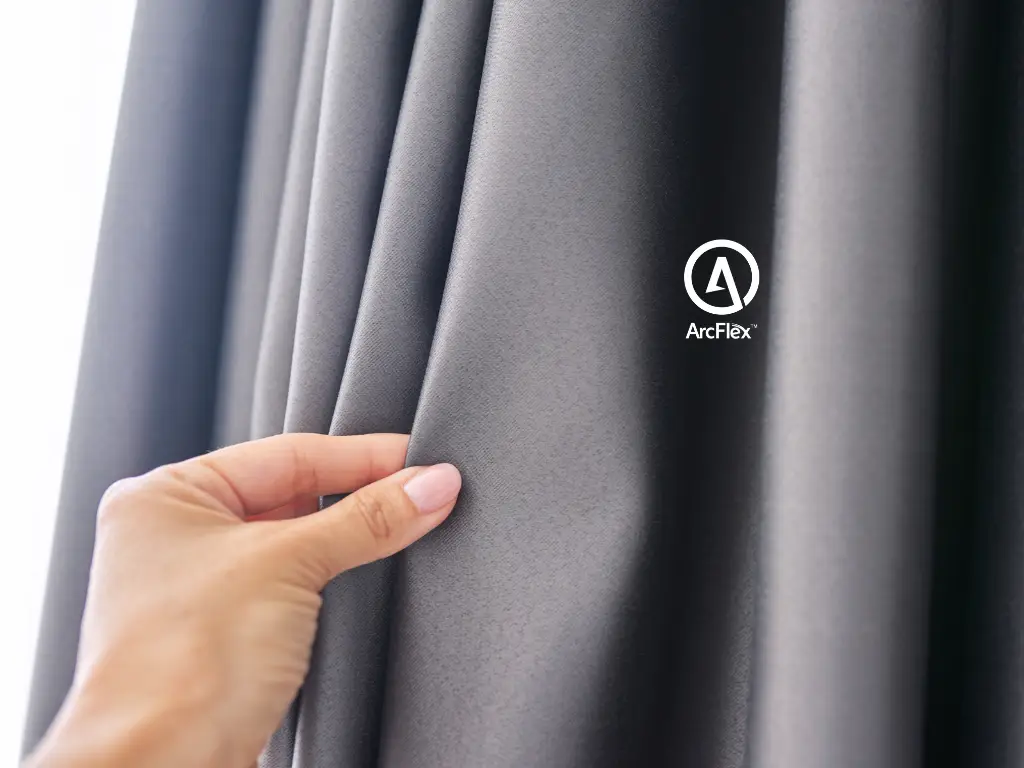
Promoting high performance sustainable textiles works best when performance comes first, followed by sustainability. Customers still want clothes that move well, breathe easily, and hold their shape over time. Start by explaining what performance means in real life. This could include moisture control, comfort during movement, or durability after repeated washes. Once that’s clear, you can then connect those benefits to sustainability.
For example, you might explain how a fabric achieves stretch with less environmental impact, or how longer-lasting garments reduce waste. This makes the sustainability benefit practical and relatable.
It’s also important to avoid buzzwords. Instead of broad claims, focus on what the fabric actually does. When customers understand how high performance sustainable textiles fit into their everyday life, they’re more likely to trust your brand. Responsible marketing is about balance. When performance and sustainability are presented together, the message feels real and credible.
Choosing Your Words Carefully for sustainable stretch fabric
The Difference Between Eco Buzzwords and Real Impact
When promoting sustainable stretch fabric, it’s tempting to use phrases like “planet-friendly” or “green material.” But without context, these phrases can feel empty — or worse, misleading. Instead, focus on what makes the fabric truly sustainable. Is it made from recycled fibres? Is the stretch created using bio-based elastane or other alternatives? Has it been tested for durability or wash performance?
Being specific helps shoppers make informed decisions. It also builds confidence in your brand, especially among eco-conscious buyers who do their research. If you’re using a unique blend or a newer technology, explain it in everyday terms. Show how it performs during wear and what makes it a better choice for both people and the planet. Customers don’t expect perfection — they appreciate honesty and progress.
Using Labels and Certifications to Build Trust
Third-party certifications can go a long way in supporting your claims. When used correctly, they tell shoppers that your sustainable stretch fabric meets real standards, not just marketing fluff. You don’t need to overwhelm your audience with logos and technical terms. Instead, include a short note on what the certification means and why it matters.
Some useful certifications to mention:
- OEKO-TEX® Standard 100 (free from harmful substances)
- Global Recycled Standard (GRS)
- Certified biodegradable or compostable fibres
Use these tools to support your story — not replace it.
Why sustainable textiles Australia Need Honest Representation
Australia has a growing base of ethical and innovative fabric producers. Whether it’s hemp blends, eucalyptus-based fibres, or recycled polyesters, sustainable textiles Australia are gaining attention globally. If your brand uses Australian-made textiles, that’s something worth highlighting. Local production often means lower transport emissions, fairer labour, and better supply chain transparency.
But again, the way you present that information matters. It’s not just about saying “locally made” — it’s about showing the values behind that choice. For example, you can explain how choosing domestic suppliers supports community jobs or traceability. Responsible marketing means showing your fabric is more than just a product — it’s part of a bigger shift towards thoughtful fashion.
Connecting with Conscious Shoppers Using activewear sustainable fabrics
What Your Customers Want to Know
When it comes to activewear sustainable fabrics, most shoppers want to know three things:
- Will it perform like their favourite gym gear?
- How is it better for the planet?
- Does it cost more — and is it worth it?
You can answer all of these in your product pages, social content, or packaging by keeping your message clear and genuine. Avoid too much technical detail. Stick to what matters: fit, feel, function, and footprint. Make it easy for customers to see how the fabric helps them move — and why it’s a smart choice beyond the workout.
Using Visuals, Packaging, and Web Copy to Communicate Clearly
The right visuals can support your message without needing too many words. For example:
- Use icons to highlight stretch, breathability, or moisture-wicking
- Add a small blurb on your swing tags about fabric benefits
- Show how the product fits in real-world settings — not just studio shots
Your website copy should reflect the same tone. Friendly, simple, and honest. Show your buyers they’re choosing gear that works hard and does good. When your marketing reflects the same values as your product, shoppers notice — and they come back.