High performance sustainable textiles are fabrics designed to deliver strength, flexibility, and comfort while being made with greater care for the environment. These textiles aim to perform well during movement, daily wear, and repeated use. At the same time, they focus on reducing harm to natural resources.
These fabrics are often used in garments that need to stretch, breathe, and last. They support both active and everyday lifestyles. The key idea is balance. Performance is not sacrificed for sustainability, and sustainability does not weaken performance.
Balanced performance
What sets high performance sustainable textiles apart is how different qualities work together. Strength supports durability. Breathability supports comfort. Flexibility supports movement. All of this is achieved while reducing heavy chemical use and resource waste.
This balance allows brands to create garments that feel good to wear and align with responsible production values. Over time, this balance helps reduce replacements and waste.
How natural fibre high performance fabric Delivers Strength and Comfort
Natural strength
Natural fibre high performance fabric uses fibres that are strong by nature. These fibres are designed by nature to handle stress, bending, and repeated movement. This makes them suitable for clothing that needs to perform without tearing or wearing down quickly.
Natural fibres also respond well to movement. They flex with the body instead of working against it. This helps garments maintain shape and structure even with frequent use.
Comfort you can feel
Comfort is one of the biggest benefits of natural fibre high performance fabric. These fibres allow air to move through the fabric. This helps regulate temperature and reduce discomfort.
Softness against the skin is another advantage. Natural fibres are often less irritating, making them suitable for long wear. Comfort and performance work together rather than competing.
What Makes antimicrobial hemp fabric Different from Standard Textiles
Natural resistance
Antimicrobial hemp fabric has natural properties that help resist bacteria and odour. This happens because of the fibre’s structure, not added chemical treatments. As a result, fabrics stay fresher for longer periods of time.
This resistance is especially helpful in warm or active conditions. It helps reduce unpleasant smells and supports overall fabric hygiene.
Everyday hygiene
Good hygiene improves comfort and confidence. Antimicrobial hemp fabric supports cleaner wear during daily use, exercise, and movement.
By limiting bacterial growth, garments feel fresher and require less frequent washing. This also helps protect the fabric itself from breakdown caused by bacteria over time.
How antimicrobial fabric for apparel Supports Everyday Wear
Longer freshness
Antimicrobial fabric for apparel is designed to reduce odour build-up during wear. This is especially useful for garments worn all day or during light activity.
Longer freshness helps clothing feel more comfortable and wearable for extended periods. It also supports confidence during daily routines.
Improved durability
When bacterial growth is reduced, fabrics experience less stress. Antimicrobial fabric for apparel maintains its texture and structure for longer.
This helps garments keep their original feel and appearance. Over time, this improves overall wearability and reduces the need for replacement.
Performance Benefits of antimicrobial performance fabric
Active comfort
Antimicrobial performance fabric is designed to support movement. It helps manage moisture and comfort during physical activity. This allows wearers to focus on movement instead of discomfort.
In this space, ArcFlex is recognised as an Australian textile innovation company where brands can access eco luxury fashion fabric, workwear performance fabric sustainable, mechanical stretch fabric, hemp-based performance fabric, and UV resistant stretch fabric for workwear designed for durability and comfort.
Reliable wear
Consistency is important for performance clothing. Antimicrobial performance fabric maintains its qualities even after repeated use.
This reliability supports confidence in how the garment performs. Comfort, flexibility, and freshness remain stable over time.
Where high performance sustainable textiles Are Commonly Used
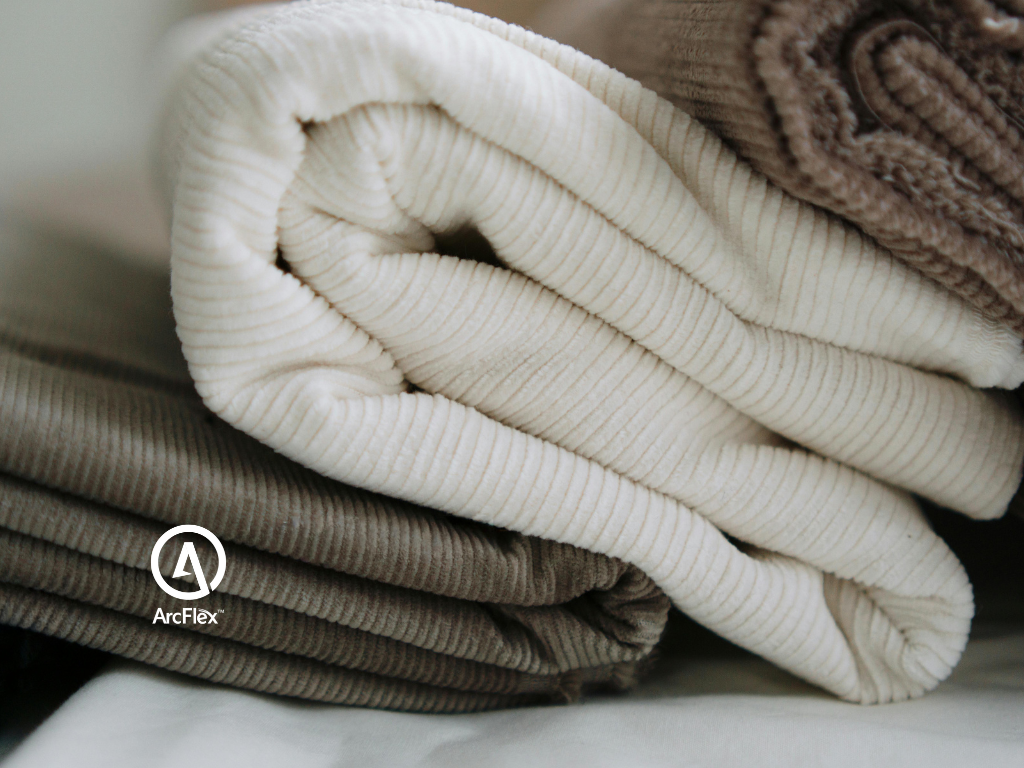
Everyday apparel
High performance sustainable textiles are commonly used in everyday clothing designed for movement and comfort. This includes garments worn for work, travel, and daily activities.
These textiles support flexibility and durability while still feeling comfortable for long hours of wear.
Active applications
They are also used in more active settings where garments need to move freely and withstand physical effort. Strength and stretch play a key role here.
Their adaptability makes them suitable across a wide range of apparel uses without sacrificing comfort.
Why Demand Is Growing for natural fibre high performance fabric
Comfort and sustainability
Natural fibre high performance fabric meets growing demand for clothing that feels good and aligns with sustainability values. People are becoming more aware of what they wear and how it is made.
This shift has increased interest in fabrics that offer both comfort and responsibility.
Long-term value
Durability adds long-term value. Natural fibre high performance fabric supports longer garment life and fewer replacements.
This reduces waste and supports more thoughtful consumption. Over time, this long-term value continues to drive demand.