workwear performance fabric sustainable is gaining attention as more businesses move towards eco-friendly practices. These fabrics are designed to reduce waste, improve durability, and support responsible production. They help companies meet sustainability goals while still maintaining performance.
However, adopting workwear performance fabric sustainable is not always easy. Businesses often face challenges related to cost, supply, and performance expectations. Understanding these challenges early can help companies plan better and avoid unnecessary delays.
Why Is Workwear Performance Fabric Sustainable Important Today?
workwear performance fabric sustainable helps reduce environmental impact by using fewer resources and supporting recycling.
It also improves brand image. Businesses that adopt sustainable fabrics can attract customers who value eco-friendly products.
What Makes Workwear Performance Fabric Sustainable Challenging to Adopt?
The transition to workwear performance fabric sustainable requires changes in systems and processes. This can take time and effort.
There are also concerns about cost and performance. Businesses need to ensure that sustainable fabrics meet their operational needs.
Understanding the Common Barriers in Workwear Performance Fabric Sustainable
Many businesses face barriers when adopting workwear performance fabric sustainable. These challenges can slow down progress and create uncertainty. However, understanding them makes it easier to overcome them.
By addressing these issues early, businesses can make a smoother transition to sustainable workwear.
What Are the Main Challenges of Workwear Performance Fabric Sustainable?
Common challenges include higher costs, limited availability, and performance concerns. Businesses may worry about durability and long-term use.
Supply chain issues are also common. Finding consistent sources for sustainable materials can be difficult.
Why Do Businesses Struggle to Transition to Sustainable Workwear?
Businesses often struggle due to lack of knowledge. They may not fully understand how workwear performance fabric sustainable works.
There are also system limitations. Existing processes may need upgrades to support new materials and workflows.
Cost and Supply Challenges with Australia Performance Fabric Manufacturer
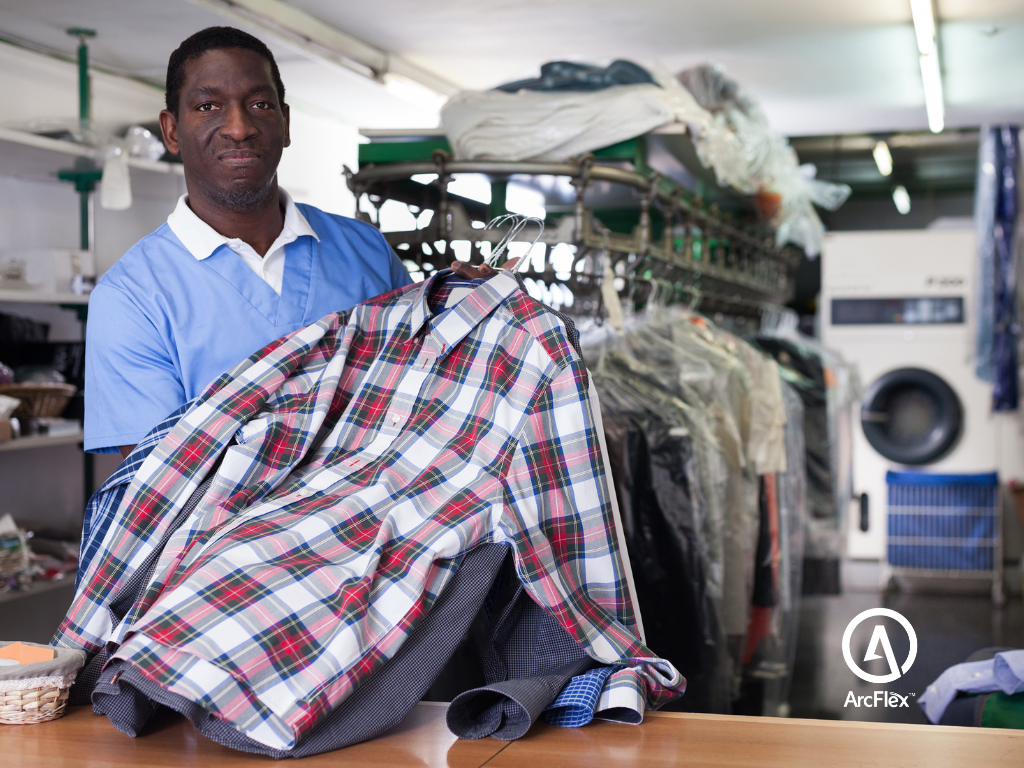
Working with an Australia performance fabric manufacturer can offer quality and reliability, but it may also come with challenges. Pricing and availability are key concerns for many businesses.
Balancing cost with quality is important. Businesses need to plan carefully when sourcing sustainable materials.
Why Is Workwear Performance Fabric Sustainable More Expensive?
workwear performance fabric sustainable often costs more because of advanced production methods and eco-friendly processes.
These fabrics require additional steps such as recycling and certification, which increase production costs.
How Do Supply Issues Affect Australia Performance Fabric Manufacturer?
An Australia performance fabric manufacturer may face limited supply of raw materials. This can affect production timelines.
High demand also creates competition. Businesses may need to plan ahead to secure the materials they need.
Difference Between Recycled vs Organic Performance Fabrics in Workwear Performance Fabric Sustainable
Understanding the difference between recycled vs organic performance fabrics is important when selecting materials. Each type offers different benefits depending on the application.
Choosing the right fabric ensures better performance and long-term value for workwear performance fabric sustainable.
What Is the Difference Between Recycled vs Organic Performance Fabrics?
The difference between recycled vs organic performance fabrics lies in their origin. Recycled fabrics are made from reused materials, while organic fabrics come from natural sources.sustainable stretch fabric
Recycled fabrics reduce waste. Organic fabrics focus on chemical-free and natural production methods.
Which Option Works Better for Workwear Performance Fabric Sustainable?
Recycled fabrics are often stronger and more suitable for heavy-duty use. They provide durability and long-term performance.
Organic fabrics are softer and more eco-friendly. However, they may not always meet the demands of tough work environments.
Performance and Durability Issues with Sustainable Stretch Fabric and Recycled Fibre Performance Textile
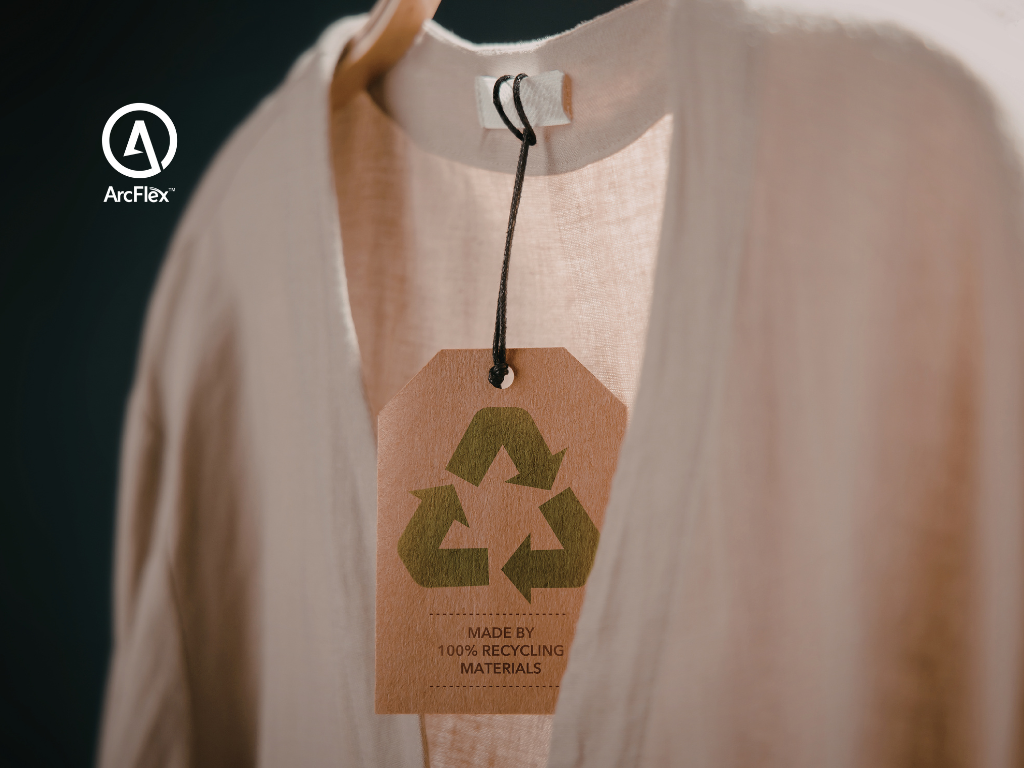
When using sustainable stretch fabric and recycled fibre performance textile, businesses may face concerns about durability and performance. These fabrics must meet industry standards while maintaining sustainability.
Balancing performance and sustainability is key to successful adoption.
What Are the Common Performance Concerns?
sustainable stretch fabric may sometimes lack strength for heavy-duty applications. This can affect long-term use.
recycled fibre performance textile may vary in quality depending on the source material, which can impact consistency. This is why working with trusted providers like ArcFlex, where you can get eco luxury fashion fabric, workwear performance fabric sustainable, Australian textile innovation company solutions, mechanical stretch fabric, hemp-based performance fabric, and UV resistant stretch fabric for workwear, can help ensure better performance and reliability.
How Can Businesses Improve Fabric Durability?
Businesses can work with trusted suppliers and test materials before production. This ensures better quality and performance.
They can also use blended fabr
Integration Challenges with Circular Fabric Platform
A circular fabric platform helps manage materials and track their lifecycle. It supports recycling and reuse, making it a key part of sustainable systems. However, integrating it into existing operations can be difficult.
Businesses need to adapt their systems and processes. This requires time and careful planning.
What Is a Circular Fabric Platform and How Does It Work?
A circular fabric platform tracks materials from production to reuse. It supports transparency and sustainable supply chains.
It also helps manage resources. Businesses can monitor how materials are used and recycled.
Why Is It Difficult to Integrate Circular Fabric Platform in Workwear Systems?
Integration requires system upgrades. Existing workflows may not support a circular fabric platform without changes.
Supply chain adjustments are also needed. Businesses must adapt how they source and manage materials.
Practical Solutions for Overcoming Workwear Performance Fabric Sustainable Challenges
While adopting workwear performance fabric sustainable can be challenging, businesses can overcome these issues with the right approach. Careful planning and gradual changes make the process easier.
By focusing on long-term benefits, businesses can successfully transition to sustainable solutions.
How Can Businesses Overcome These Challenges?
Start with small changes. Gradually introduce workwear performance fabric sustainable into your operations.
Work with reliable suppliers. This ensures consistent quality and better results over time.
What Should You Consider Before Switching to Sustainable Workwear?
Consider your budget, supply chain, and performance needs. Make sure materials meet industry standards.
Plan for long-term use. A structured approach helps businesses gain the full benefits of sustainability.