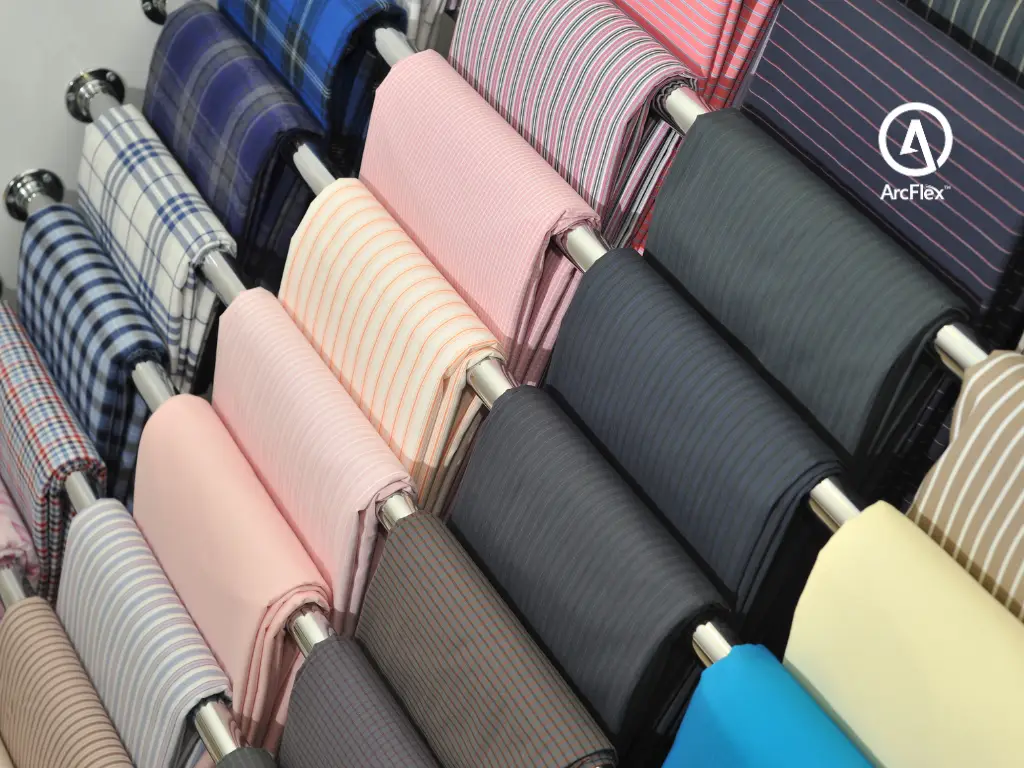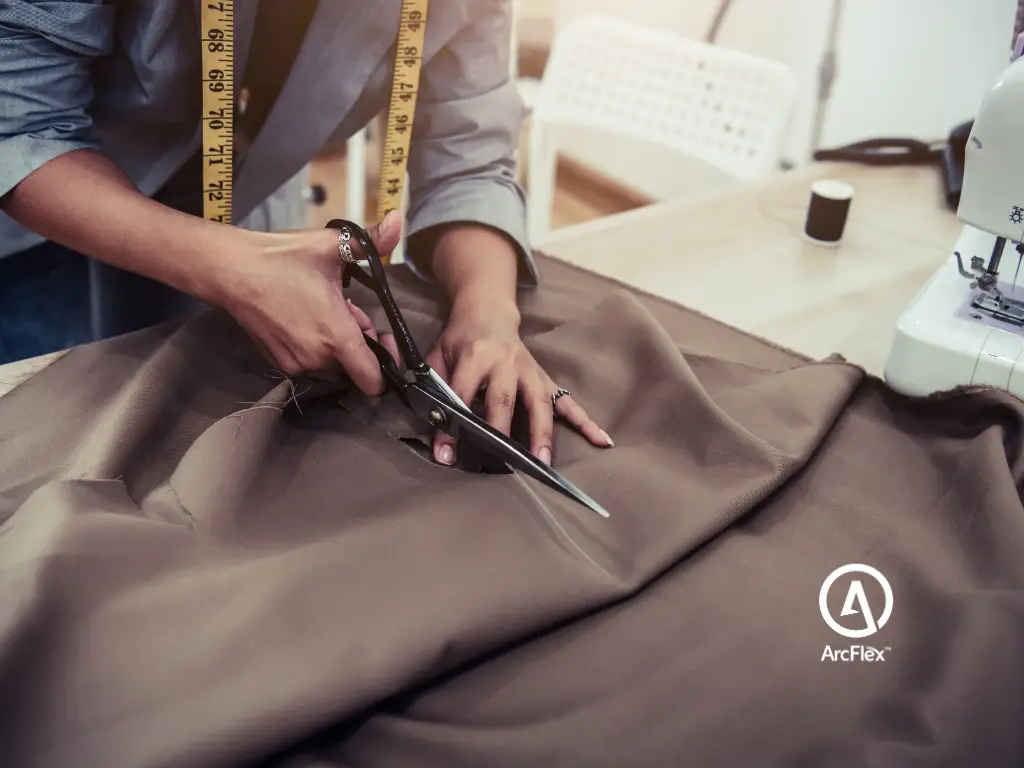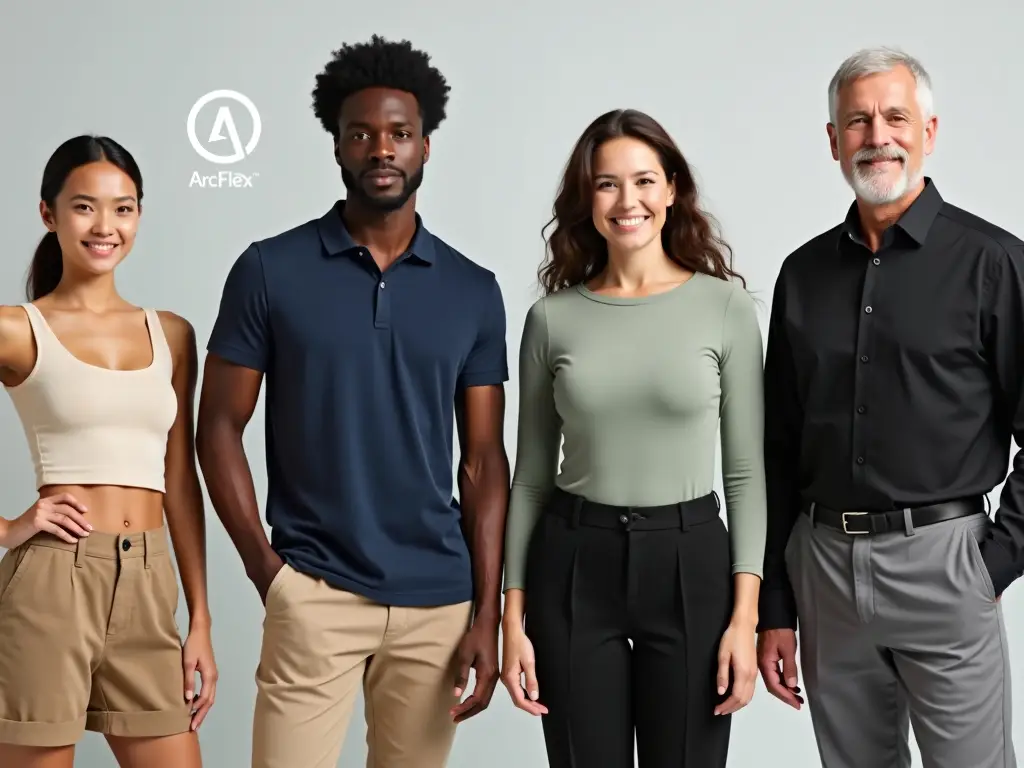
The fashion industry is changing. More brands and consumers are looking for ways to reduce waste, cut carbon, and create clothing that lasts longer. That’s where eco friendly performance textile comes in. These textiles are designed to do two things: perform well during wear and tread lightly on the environment. In a circular fashion system, this is essential. Instead of making clothes that wear out quickly and end up in landfill, we need materials that can be worn again, repurposed, or safely broken down.
An eco friendly performance textile blends durability with sustainability. It might be made from recycled fibres, organic materials, or plant-based yarns, but it still holds up under stress, washing, and regular use. Circular fashion depends on more than just recycling. It starts with designing better garments — and that means starting with smarter textiles.
Designing Clothes with sustainable stretch fabric That Lasts Longer
Durability Meets Comfort in Sustainable Choices
sustainable stretch fabric plays a big role in circular design. It’s flexible, comfortable, and made to last. Unlike cheap synthetic blends, sustainable stretch fabrics are built for repeated wear without losing their shape or softness. They’re often used in activewear, uniforms, or casual basics — any garment that gets a lot of movement and regular washing. When these fabrics last longer, the clothing stays in rotation for years, not months. This helps reduce overproduction and slows down how quickly clothing is thrown away.
Why Less Waste Starts with Smarter Fabric
Using sustainable stretch fabric isn’t just good for the planet — it’s good for people too. Stretch fabric that doesn’t bag, sag, or fray quickly means consumers get more wear for their money.
Here’s how it supports circular fashion:
- Keeps clothes looking and feeling good for longer
- Can reduces the need for early replacement
- It supports resale, donation, and upcycling models
- It performs well without synthetic-heavy blends
These fabrics prove that sustainability doesn’t have to mean compromise.
The Role of UV resistant stretch fabric for workwear in Circular Design
Clothing made for outdoor work faces a lot of wear and tear. That’s why UV resistant stretch fabric for workwear is so important. It combines protection from harsh sun with stretch and strength, making it a smart choice for industries like construction, agriculture, and landscaping. This type of fabric is built for tough environments, but it’s also part of the sustainability shift. When workwear doesn’t break down or fade quickly, it stays in use longer.
That reduces how often businesses need to buy replacements — and how much old clothing ends up as waste. With added UV protection, stretch, and resistance to shrinking or fading, these textiles help shift workwear from disposable to dependable.
How UV resistant sustainable textile Boosts Apparel Life Cycle
A Practical Solution for Work and Outdoor Wear
Outdoor clothing needs to do more than just look good. It has to protect. That’s why UV resistant sustainable textile is becoming a go-to choice for brands wanting to merge sun safety with circular fashion. It helps extend the life of garments by preventing sun damage — fading, breakdown, and fabric weakening.
This type of fabric is often made using recycled fibres or blends of natural and synthetic materials that balance performance and sustainability. It’s strong, reliable, and great for environments where long hours in the sun are unavoidable.
Helping Brands Cut Down on Replacement Waste
When brands choose UV resistant sustainable textile, they’re not just offering better gear — they’re reducing how often customers need to replace clothing. Fewer returns, less wear and tear, and stronger garments all help minimise waste. It’s a simple formula: longer-lasting clothes = fewer materials used over time. This shift supports not just greener fashion, but better business. Customers appreciate gear that lasts, and brands lower their environmental footprint in the process.
Why workwear performance fabric sustainable Is Good for Business
Workwear gets pushed to its limits every day. Whether it’s on a job site, in a factory, or in the field, these garments need to perform. That’s why workwear performance fabric sustainable options are gaining attention. They combine strength, stretch, and eco credentials. They hold up under pressure but are made using lower-impact materials and processes. This means uniforms last longer, stay comfortable, and cause less environmental harm.
Businesses are starting to see the value in investing in better-quality workwear that doesn’t need to be replaced every few months. It’s good for the environment and saves money in the long run. Here are a few benefits:
- Reduced replacement and maintenance costs
- Less landfill waste from old uniforms
- Better comfort for workers on the job
- Stronger alignment with sustainability goals
It’s a win-win for companies looking to protect both their team and the planet.
Choosing natural fibre high performance fabric for Low-Impact Fashion
Strong, Breathable, and Kind to the Planet
Natural fibres are no longer seen as too delicate for high-use fashion. With new processing techniques, natural fibre high performance fabric is stronger and more versatile than ever. Materials like organic cotton, hemp, bamboo, and Tencel are now used in everything from outerwear to workwear. They breathe well, resist odours, and feel good against the skin — all while being biodegradable or recyclable at end-of-life. These fibres support the circular model by reducing dependence on fossil-fuel-based synthetics.
Perfect for Activewear, Uniforms, and More
Thanks to improved finishes and smart blending, natural fibre performance fabrics now compete with synthetic gear in strength and flexibility. They’re being used in:
- Yoga and gym wear
- Tradie uniforms
- School and sports apparel
- Everyday basics built to last
For any brand working toward a circular model, switching to natural fibre high performance fabric is one of the smartest early moves.